Thinking about buying a rental in Willow Lawn but unsure how the numbers will pencil out? You are not alone. Investors are drawn to this Richmond hub for its commute access, retail jobs, and walkable amenities, yet returns still depend on careful modeling and day-to-day execution. In this guide, you will get a practical framework to assess Willow Lawn rental ROI, from demand drivers and unit types to cash flow levers and risk checks. Let’s dive in.
Why Willow Lawn attracts renters
Willow Lawn sits along West Broad Street near major corridors like I-64 and I-95, which helps commuters reach downtown Richmond and medical centers with relative ease. That location supports steady demand from young professionals and healthcare and retail workers who place a premium on short drives.
The shopping district and surrounding services also create local employment, which supports demand for smaller units and convenience-focused rentals. Lifestyle amenities like restaurants and daily-needs retail make the area attractive for renters who want proximity and walkability.
The takeaway for investors is straightforward: proximity to jobs, transportation, and amenities supports occupancy. Your underwriting should still focus on street-level comps and unit condition to confirm achievable rent.
What rents and vacancy mean for ROI
Your cash flow depends first on realistic rent and vacancy assumptions. Because Willow Lawn’s demand differs from farther-out suburbs, you should verify neighborhood-level data before you buy.
Use street-level comps
Pull rental comps for the immediate Willow Lawn area and match by unit type, bedroom count, and condition. Smaller 1 to 2 bedroom units often achieve higher rent per square foot, while larger homes can command higher total rent but may have longer turn times.
Track vacancy by property type
Vacancy and credit loss typically range from 5 to 8 percent in stable markets. Properties that take longer to re-rent, such as some single-family homes, can sit near the higher end of that range. Smaller units often re-lease faster, which can help stabilize effective income.
Watch employment trends
Local employers in medical and retail sectors influence demand. Review metro-level employment updates and local hiring news to spot shifts that could affect leasing velocity in Willow Lawn.
Unit types and tenant fit
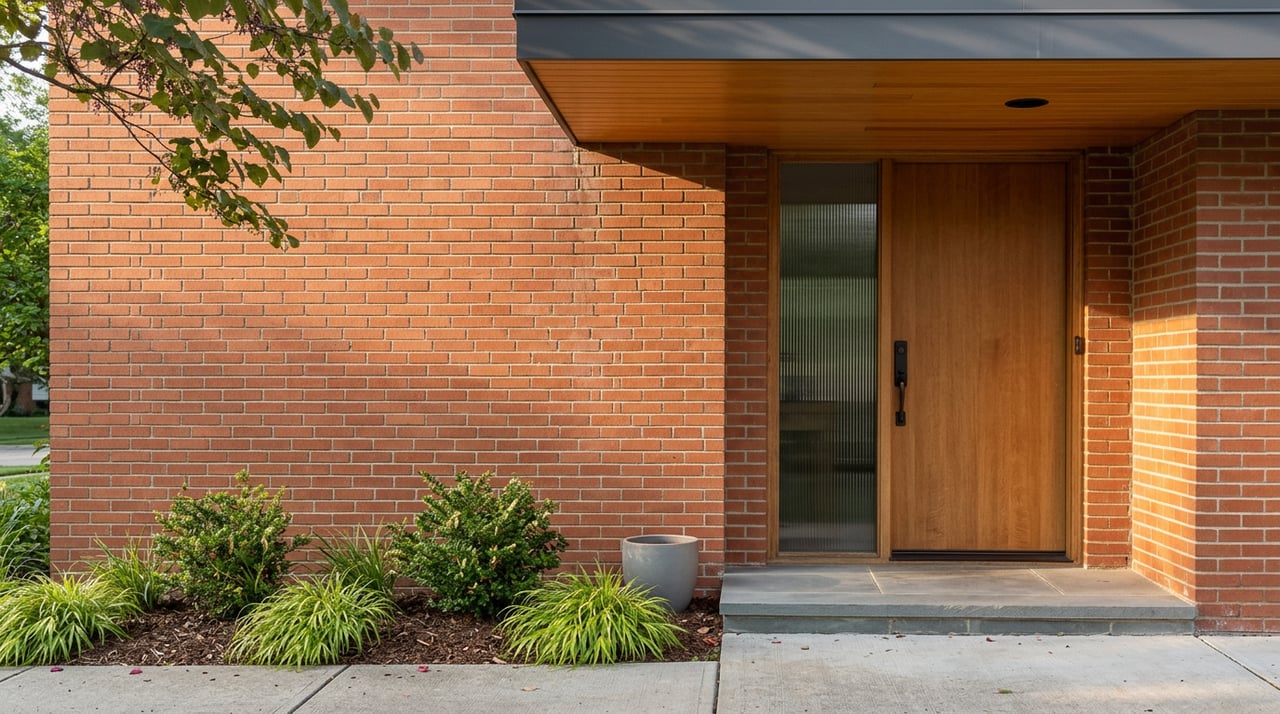
Willow Lawn offers a mix of options that serve different renter needs. Your unit’s features and lease strategy should align with the most likely tenant profile.
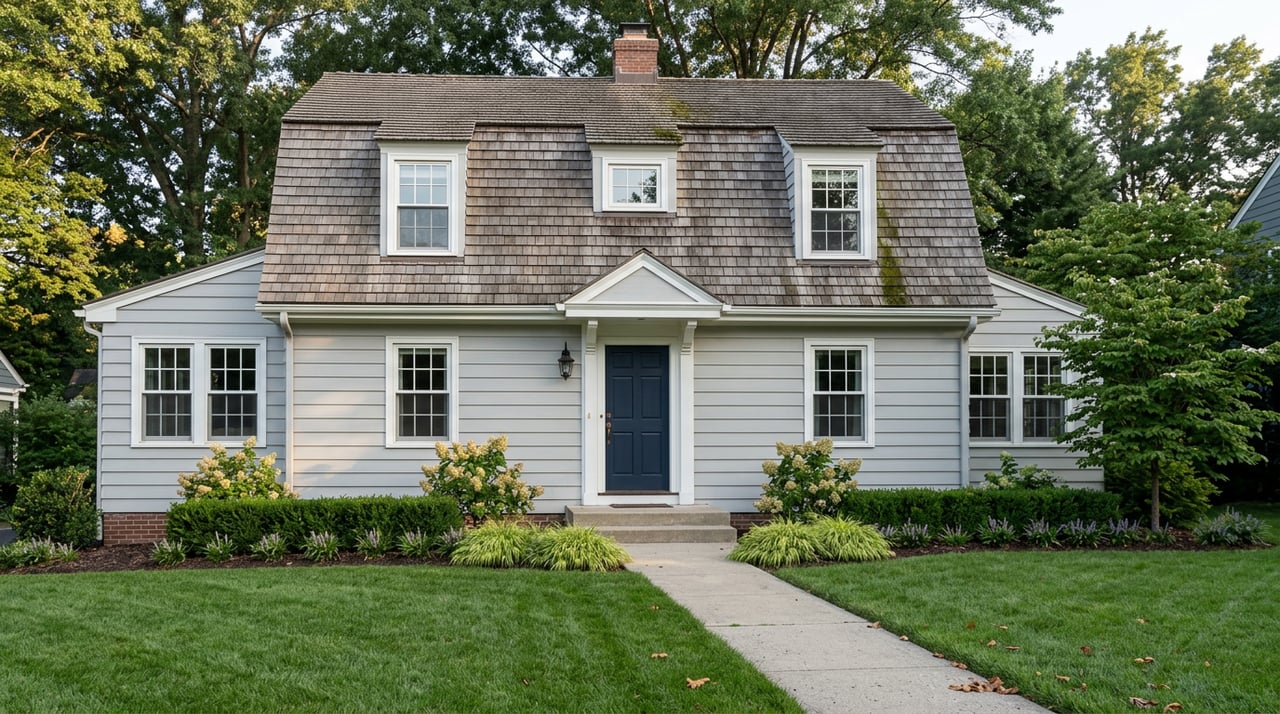
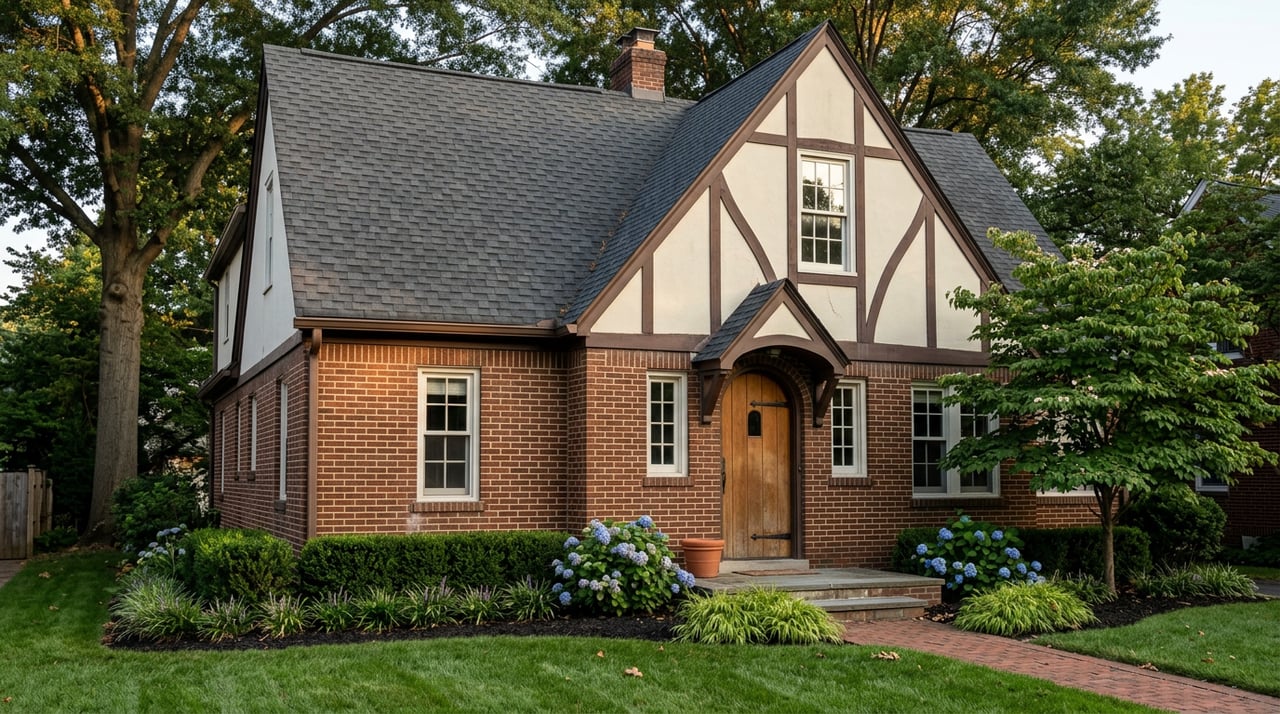
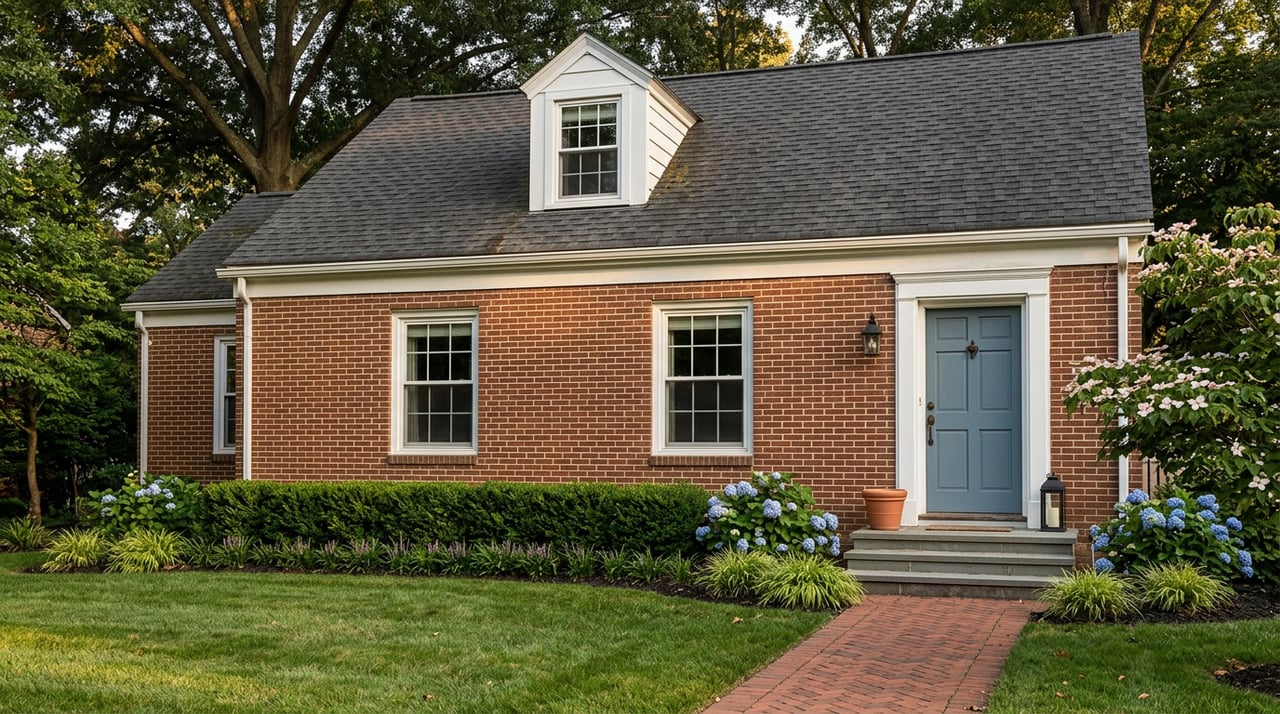
- Single-family homes. Older post-war houses, many renovated. Appeal to long-term tenants who value a yard or garage. Higher gross rent potential with potentially higher maintenance and longer re-lease times.
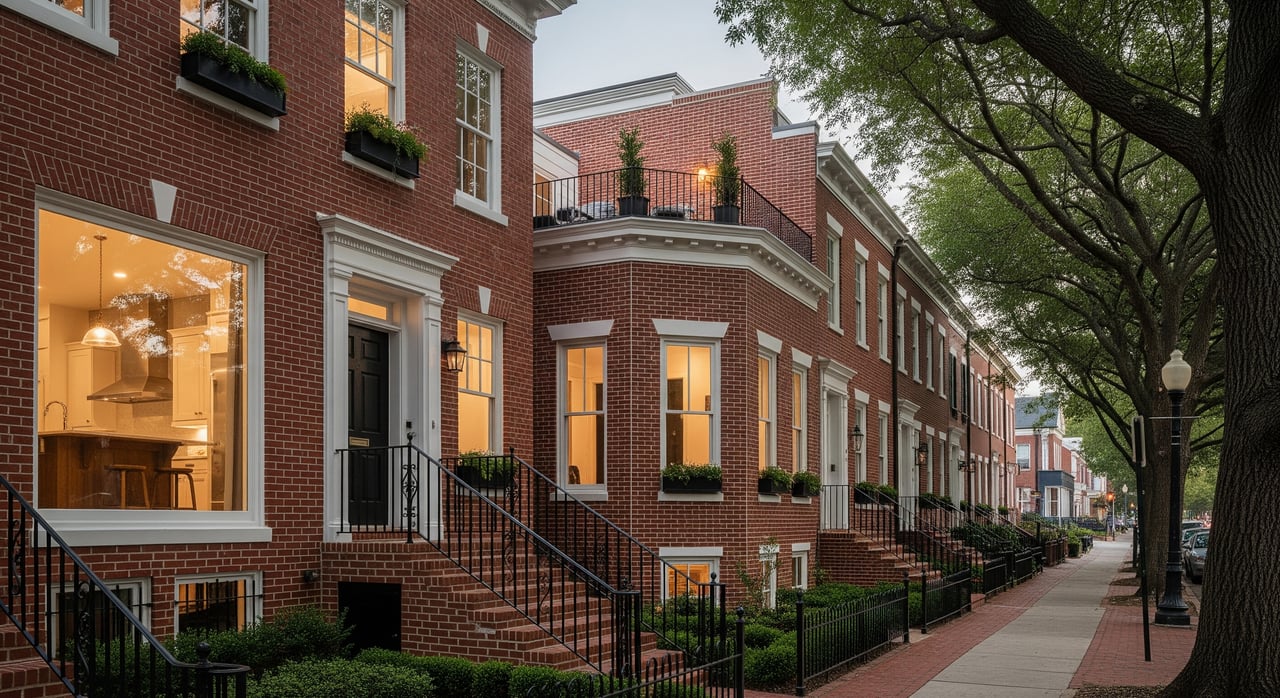
- Townhomes and duplexes. Good fit for young professionals or small families who want more space without the upkeep of a detached home.
- Condos and garden apartments. One- and two-bedroom units attract singles, couples, and workers in nearby medical and retail roles. Often deliver higher rent per square foot and faster re-renting.
- Small multifamily. Four to twelve unit buildings near transit and retail. Can benefit from economies of scale on expenses.
Unit mix matters. A portfolio that blends smaller units for steady turns with select single-family homes for higher total rent can balance cash flow and appreciation goals.
ROI basics in Willow Lawn
Before you write an offer, use a simple set of formulas to estimate returns and stress-test your assumptions.
- Gross Scheduled Rent (GSR) = total rent at full occupancy.
- Effective Gross Income (EGI) = GSR minus vacancy and credit loss plus other income.
- Net Operating Income (NOI) = EGI minus operating expenses. Excludes debt service.
- Capitalization Rate = NOI divided by purchase price.
- Cash-on-Cash Return = Annual pre-tax cash flow divided by total cash invested.
- DSCR = NOI divided by annual debt service.
Example ROI math
The figures below are an illustration only to show how the math works. They are not Willow Lawn market facts.
- Purchase price: $300,000
- Monthly rent: $1,800 → Annual GSR: $21,600
- Vacancy at 7 percent: −$1,512 → EGI: $20,088
- Operating expenses:
- Property tax (example): $3,000
- Insurance: $1,200
- Management at 10 percent: $2,009
- Maintenance and repairs at 8 percent of GSR: $1,728
- Utilities paid by landlord: $0
- Other (HOA, legal, advertising): $1,000
- Total operating expenses: $8,937
- NOI: $11,151
- Cap rate: 3.7 percent
- If 20 percent down and annual mortgage of about $12,000, pre-tax cash flow is negative $849, which equals a cash-on-cash of about −1.4 percent.
Small changes in rent, vacancy, or expenses can swing returns. Model properties with multiple scenarios before you commit.
Build three scenarios
Create optimistic, baseline, and conservative cases that vary rent, vacancy, and key expenses. Include a longer lease-up period and at least one large capital item to gauge resiliency. This helps you avoid surprises and plan reserves.
Budget realistic expenses
Plan for an operating expense ratio of roughly 30 to 50 percent of gross rent for single-family rentals, with potential savings in small multifamily. Include these categories in your pro forma:
- Property taxes and assessments
- Insurance
- HOA dues if applicable
- Utilities paid by landlord
- Maintenance and routine repairs
- Capital expenditures and replacement reserves
- Professional property management fees
- Leasing and advertising costs
- Legal, accounting, and filings
- Vacancy and credit loss
- Miscellaneous permits and inspections
Depreciation and mortgage interest may improve after-tax results. Consult a CPA to model your specific situation.
Cash flow improvement plays
If your baseline pro forma is tight, consider targeted changes that improve income, reduce expenses, or both.
- Reduce vacancy and turnover. Offer renewal incentives and small upgrades to retain qualified tenants. Time lease expirations ahead of peak move season for faster re-renting.
- Optimize rents and fees. Review comps quarterly and use modest, predictable increases at renewal. Add ancillary income where lawful and clearly disclosed, such as pet rent, assigned parking, or storage.
- Trim operating costs. Shop insurance, install LED lighting, add smart thermostats, and perform preventative maintenance to reduce long-run repairs. Where feasible, pass certain utility costs to tenants through metering or billing services.
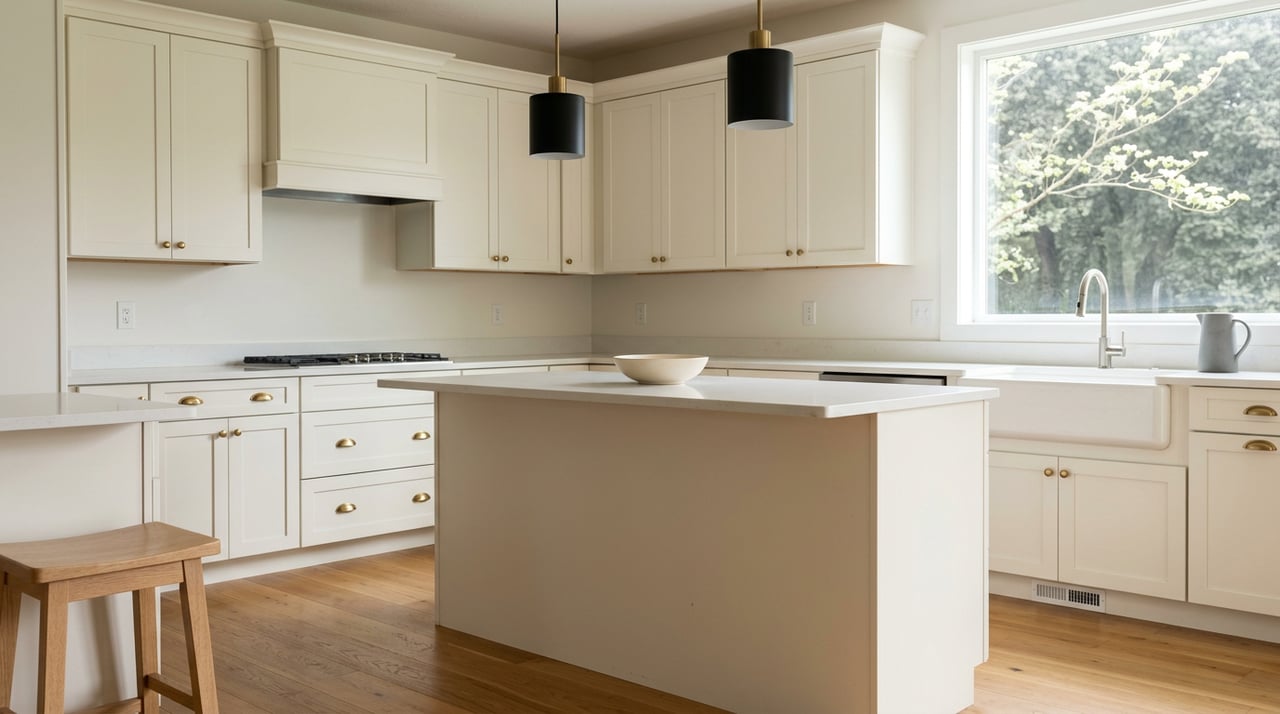
- Targeted renovations. Focus on durable kitchens and baths, fresh paint, lighting, and flooring that support higher rent and shorter vacancy. Low-cost curb appeal upgrades can boost showing-to-application rates.
- Right-size lease terms. Favor 12-month leases for stability, and consider select units with flexible or furnished terms if the property and location support it.
- Professionalize systems. Use digital leasing, tenant portals, and clear policies to reduce late payments and administrative friction.
A modest rent lift or a few percentage points of expense savings can meaningfully raise NOI and cap rate. For example, a $150 monthly rent increase that costs $3,000 upfront has a simple payback in about 20 months.
Risk, laws, and compliance
Understand the rules and plan for what can go wrong before you close.
- Virginia landlord-tenant law. State statutes outline notice periods, security deposit handling, and eviction processes. Follow required timelines and disclosures.
- Local ordinances. Henrico County and nearby jurisdictions may require certain permits or have rules for rental licensing and safety standards. Verify before leasing.
- Lead-based paint. Provide required disclosures for homes built before 1978.
- Building codes and habitability. Pull permits for significant work and meet inspection requirements.
- Market risks. Mortgage rate changes, shifts in employer demand, or new multifamily supply can affect rents and vacancy. Monitor conditions and keep cash reserves.
Your next steps in Willow Lawn
Use a simple checklist to move from interest to action with confidence.
- Pull current neighborhood-level rent comps for your unit type and condition. Verify with multiple sources and local leasing data.
- Estimate vacancy by property type. Build baseline and conservative assumptions that reflect realistic lease-up times.
- Gather recent sales comps for your target asset class to frame expected cap rates and pricing.
- Price operating costs. Confirm Henrico County property taxes, request insurance quotes, and note any HOA dues and common utilities.
- Build three financial scenarios. Include reserves for maintenance and replacements along with a potential large capital item.
- Decide on management. If you prefer a turnkey approach, interview full-service managers and review their services, fees, and reporting.
- Confirm legal and tax considerations. Consult a Virginia attorney and CPA to finalize lease terms, entity structure, and deductions.
How professional management helps
Full-service management can protect your time and stabilize returns, especially if you are building a small portfolio.
- Marketing and leasing. Professional photos, listing syndication, showings, and careful tenant screening shorten days on market and reduce default risk.
- Rent collection and enforcement. Online portals and clear policies support on-time payments and consistent handling of late fees.
- Maintenance coordination. 24/7 response and vetted vendors help resolve issues quickly and improve tenant satisfaction.
- Financial reporting. Monthly statements and tax-ready year-end reports make bookkeeping easier and support your CPA.
- Compliance and risk. Standardized leases, security deposit procedures, and local law knowledge lower operational risk.
- Turnover management. Efficient cleaning, repairs, inspections, and relisting minimize vacancy days between tenants.
When you interview managers, ask about average days-to-lease for similar Willow Lawn units, historical vacancy and turnover, sample owner statements, a clear fee schedule, and references. Clarify how maintenance is authorized, whether invoices are marked up, and how owner funds are handled.
Ready to run your numbers or evaluate a property you already own in Willow Lawn? If you want a local, full-service plan for leasing, management, or a future sale, connect with Adam Tuck for a straightforward conversation about your goals.
FAQs
What is a good cap rate for Willow Lawn rentals?
- It depends on property type, condition, and actual NOI. Use recent local sales comps to frame expectations and underwrite based on your verified rent, vacancy, and expense assumptions.
How do unit types affect rent in Willow Lawn?
- One to two bedroom units often achieve higher rent per square foot and re-lease faster. Single-family homes can deliver higher total rent but may carry higher maintenance and longer vacancy between tenants.
What vacancy rate should I model in Willow Lawn?
- In stable markets, 5 to 8 percent is a common benchmark. Adjust for your unit type and expected time to re-rent, and test a conservative case in your pro forma.
What property management fees should I expect?
- Full-service management commonly ranges from 8 to 12 percent of collected rent, plus leasing or other fees. Request a full fee schedule and sample reports before you sign.
What legal items should Virginia landlords know?
- Follow Virginia landlord-tenant statutes for notices and deposits, provide lead-based paint disclosures for pre-1978 homes, and meet local permitting and safety standards. Consult a Virginia attorney for specifics.