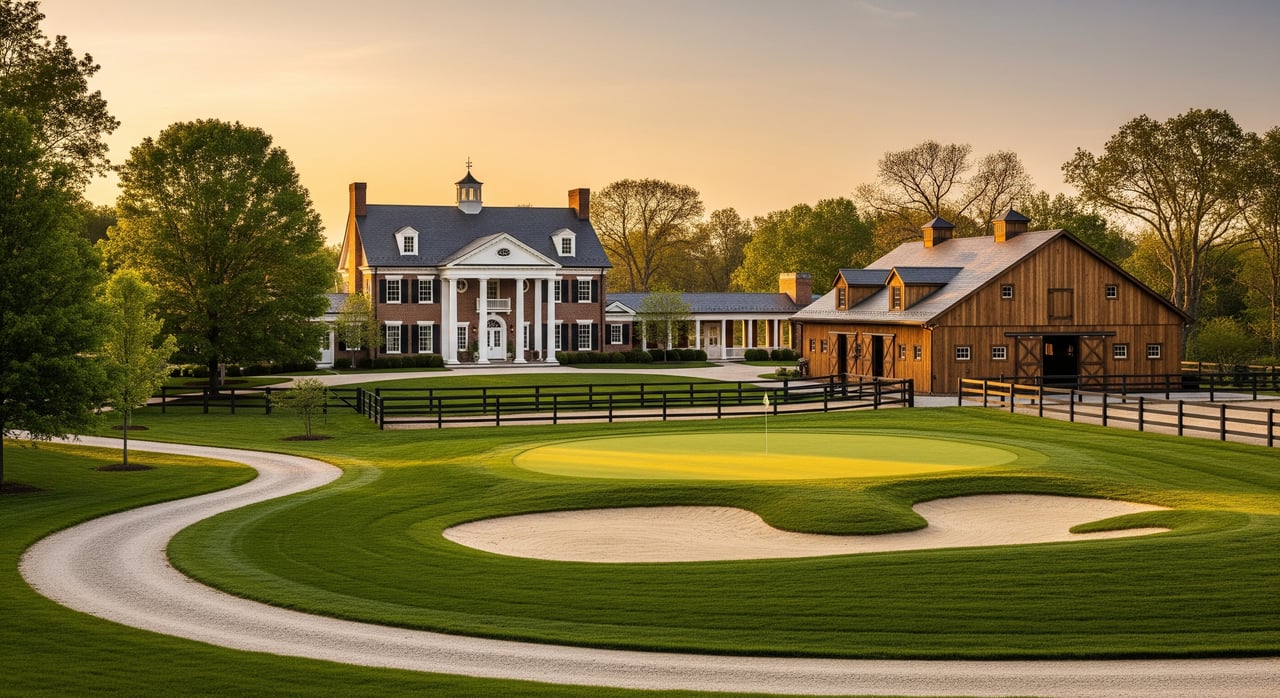
Dreaming of a home where you can tee off in the morning, ride in the afternoon, and watch the stars at night without city glare? If you want more space without giving up access to Richmond, Manakin-Sabot in Goochland County deserves a close look. You’ll learn how the area fits into your daily life, what golf and equestrian options really mean, and how to shop smarter for acreage, utilities, and long-term value. Let’s dive in.
Where Manakin-Sabot fits in the Richmond area
Manakin-Sabot sits in eastern Goochland County, just west of Richmond. Depending on your start and end points, you’re typically 20 to 30 miles from downtown. In normal conditions, uninterrupted drive times often range from about 25 to 40 minutes.
You have several practical routes. U.S. Route 250, also known as Broad Street, runs through the area. State routes connect you to I-64 and the I-295 outer loop, which help you reach regional job centers and interstates. Commute time varies with traffic, so it helps to test your drive during your actual work hours.
What homes and lots look like
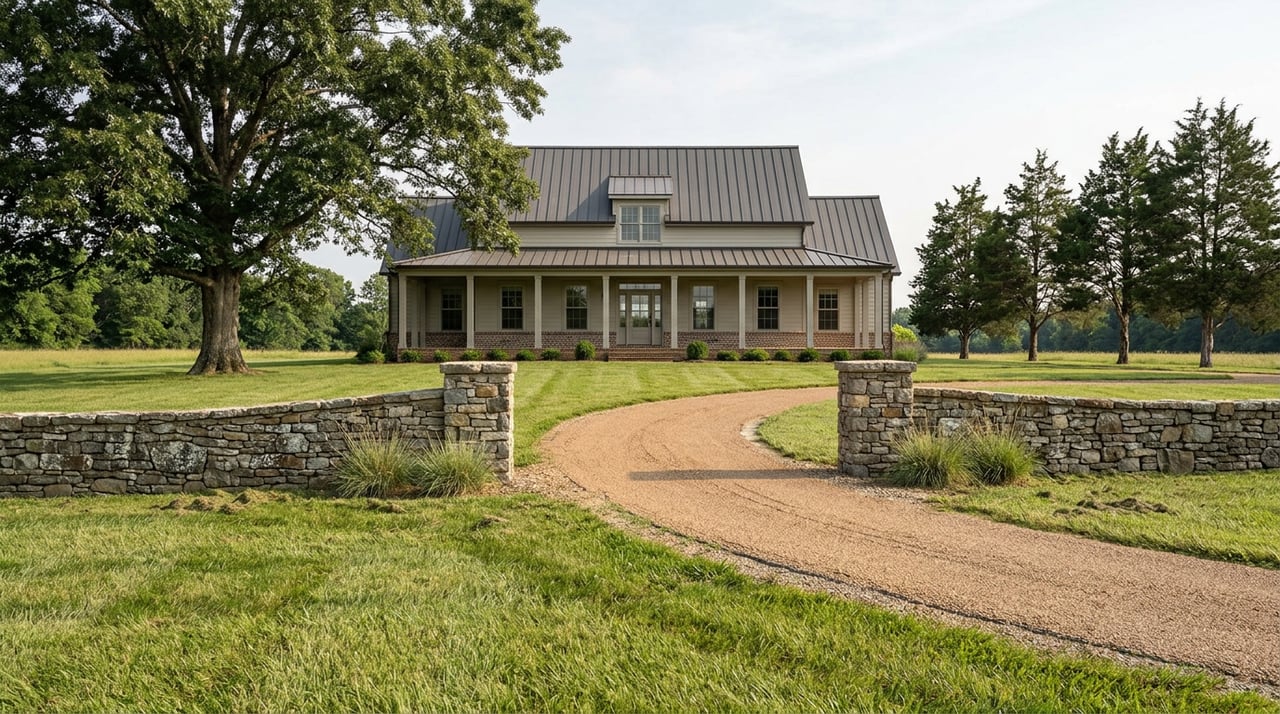
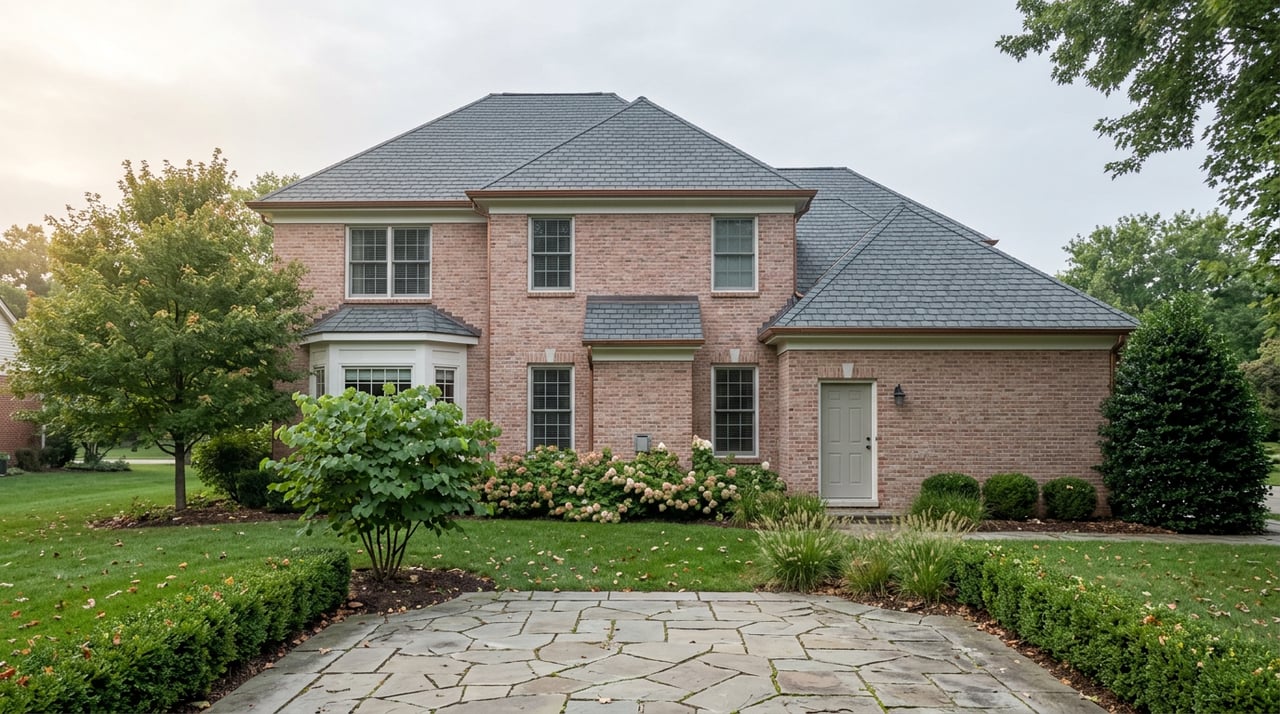
You’ll mostly find single-family homes, from classic ranches and colonials to modern farmhouses and large custom builds. Many neighborhoods on the suburban-rural edge offer small acreage, often in the 1 to 3 acre range. If you want a horse-ready property or deep privacy, you’ll also find options on 5 to 20 acres and beyond.
Manakin-Sabot offers both HOA neighborhoods and more independent country settings. Some parcels fall under conservation easements or agricultural and forestal districts. That can help preserve open space, but it may limit future subdivision or certain uses. Always review property-specific documents before you make an offer.
Golf community living
If you love to play, you’ll see two main models. Some communities are anchored by private country clubs where membership is required for course access and amenities. Others border semi-private or public courses with optional memberships. Many golf neighborhoods include homeowner associations that handle landscaping, common areas, or road upkeep.
The lifestyle can be a great fit if you want a social calendar, practice facilities, or reduced yard work. Just budget for the recurring costs. HOA and club fees vary widely, and amenities can change over time based on membership levels and maintenance needs.
What to ask before you buy in a golf neighborhood
- What do current HOA and club fees cover, and are there special assessments on the horizon?
- Are exterior changes limited by architectural guidelines, and what is the approval timeline?
- How does the community manage ponds, cart paths, and private roads?
- Is there a policy on guests, tee time access, or junior programs?
- Where does the lot sit relative to fairways and tees, and what is the risk of stray golf balls?
- Are there slope, drainage, or setback constraints that affect additions or landscaping?
Equestrian life in Goochland
Goochland has a well-established equestrian culture. Many buyers choose properties with existing barns, fenced pastures, run-in shelters, and arenas. Others start with raw or lightly improved land and phase in facilities over time. You will find local service providers such as boarding barns, farriers, and mobile veterinarians, plus regional riding groups and clinics.
If you plan to keep horses at home, look for practical features. Reliable water access for animals, good soil and drainage for pastures, and safe, well-sited fencing matter as much as the house. When in doubt, bring a knowledgeable horse professional or farm inspector to your showing.
Practical realities of owning horses
Owning horses involves time and ongoing expense. Daily care includes feeding, mucking, turnout checks, and tack cleaning. Recurring costs often include feed, bedding, farrier visits, routine vet care, deworming, vaccinations, and equipment. If you board rather than keep horses at home, you’ll still budget several thousand dollars per horse annually depending on services and training.
Zoning, permits, and taxes to confirm
- Zoning and permitted uses. Confirm if horses and accessory agricultural uses are allowed on the parcel and in what number. Check setbacks for barns and sheds.
- Septic and water. Many rural homes use private wells and onsite septic systems. Verify capacity, age, and service history, especially if you plan staff quarters or a wash stall.
- Land-use taxation. Virginia’s Use Value Assessment can reduce taxes for qualifying agricultural or forestry land. If you intend to operate a horse farm, review eligibility and documentation early.
- Conservation easements. These can protect open space and provide incentives, but they may restrict subdivision or certain improvements.
- Insurance and liability. Consider farm or equine liability coverage and use appropriate waivers and contracts if you board or host lessons.
Utilities, broadband, and services
Public water and sewer are limited in rural parts of Goochland. Many properties rely on private wells, septic systems, and propane. Confirm what’s on site, the condition of major systems, and any required upgrades. Ask for well and septic records, permits, and inspection reports.
Broadband coverage can vary by road and even by address. If you rely on high-speed internet for work, verify your options with providers, including fiber, cable, fixed wireless, or satellite. For healthcare, most residents use providers in the Richmond metro. Local retail and services exist in small commercial nodes, with broader shopping and dining in larger Goochland centers and Richmond.
Everyday routines and commute balance
If you ride, your routine may include morning feed, a quick muck-out, and a turnout check before work. Evenings bring rides, lessons, or barn chores, plus seasonal tasks like pasture mowing and fence repairs. Golfers often commute into Richmond, then schedule an afternoon round, a weekend clinic, or a social event at the clubhouse.
Weather and road care matter. Ask how private roads and neighborhood streets are maintained, including snow and storm cleanup. If you have a long driveway, plan for culvert maintenance and seasonal grading to keep access reliable.
Buyer checklist for Manakin-Sabot
Use this checklist to compare properties and keep your due diligence on track.
Pre-visit research
- Confirm zoning and permitted uses, including equestrian allowances.
- Check if the parcel is in an agricultural or forestal district or under a conservation easement.
- Ask about water and sewer availability or whether the home uses well and septic. Request records for both.
- Verify broadband providers and mobile coverage by address.
- Review HOA covenants, club membership requirements, fee schedules, and any special assessments for golf communities.
- Request surveys, building permits, environmental or wetland delineations, and any farm-related approvals.
On-site inspection priorities
- Barns, fences, gates, and arena footing. Check pasture drainage and soil condition.
- Water access points for livestock and the condition of frost-free hydrants, spigots, and pumps.
- Driveway durability, culvert condition, and evidence of erosion.
- Pond and lake edges, slopes, and swales that influence water movement.
- Neighboring land uses such as crop fields, commercial activity, or hunting leases that may affect privacy.
Resale and long-term value
Well-sited golf homes and turnkey equestrian properties tend to attract steady interest, especially when amenities are maintained. Market sensitivity varies with interest rates, inventory, and changing lifestyle preferences. Large or highly specialized parcels often appeal to a narrower buyer pool, so expect longer marketing timelines and targeted outreach.
In the Richmond region, many buyers trade a longer commute for space, privacy, and recreational amenities. That trend supports Manakin-Sabot, but results differ by niche. Homes in active golf communities, smaller-acreage properties with updated systems, and farms with functional barns and safe fencing generally show broader appeal over time.
Schools and local services
Goochland County Public Schools serve Manakin-Sabot. Program offerings and school sizes are managed at the county level. For emergency services, permitting, and land-use questions, expect to work with Goochland County offices and relevant Virginia agencies.
Ready to explore Manakin-Sabot?
If you want more room, a quieter pace, and quick access to Richmond, Manakin-Sabot is a smart place to start. Our team combines local expertise with value-first services to make your move simpler. Sellers can keep more of their equity with our 1.95% listing fee. Buyers can ask about cash-back options and doubled Heroes rebates for qualifying community professionals.
Whether you’re eyeing a golf-course home, a hobby farm, or a larger estate, get a clear plan and accurate numbers before you act. Start with a local conversation. Connect with Adam Tuck to map your move and compare your best options.
FAQs
How far is Manakin-Sabot from downtown Richmond?
- You’re typically 20 to 30 miles from downtown, with uninterrupted drive times often in the 25 to 40 minute range depending on traffic and exact start and end points.
What lot sizes are common in Manakin-Sabot?
- Many properties offer 1 to 3 acres, while equestrian and estate homes frequently range from 5 to 20 acres or more, depending on location and intended use.
Are horses allowed on residential properties?
- It depends on zoning and parcel-specific rules. Confirm permitted uses, animal allowances, and setbacks with Goochland County before you buy.
What utilities should I expect on rural properties?
- Many homes use private wells, onsite septic systems, and propane. Verify system age, capacity, and service records, and budget for inspections and maintenance.
How do golf community fees work?
- HOA and club fees vary by community and what they cover, such as common areas, course upkeep, security, or road maintenance. Ask for current fee schedules and any special assessments.
What are typical costs of horse ownership?
- Annual costs vary, but you should budget several thousand dollars per horse for feed, bedding, farrier and routine vet care, training, and equipment. Boarding choices can increase or reduce total costs.
Can land-use taxation reduce my property taxes on a farm?
- Virginia’s Use Value Assessment may lower assessments for qualifying agricultural or forestry land. Review eligibility and documentation with the county and state resources early in your planning.