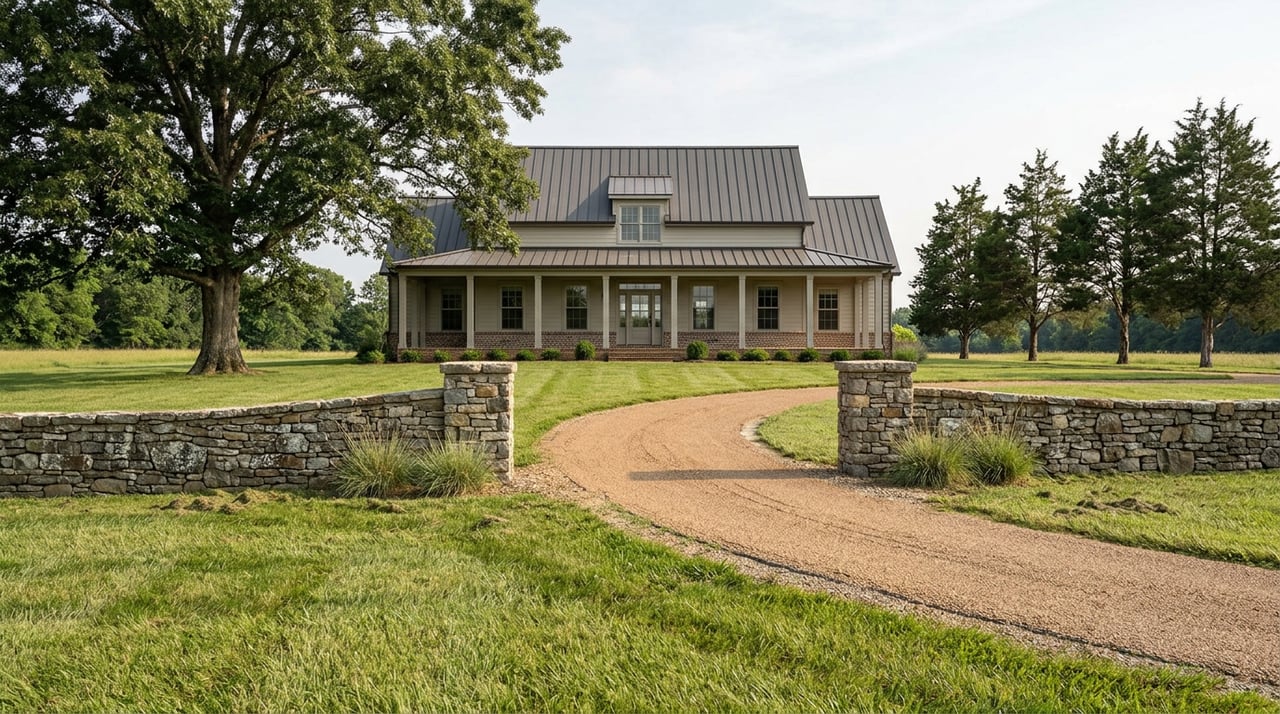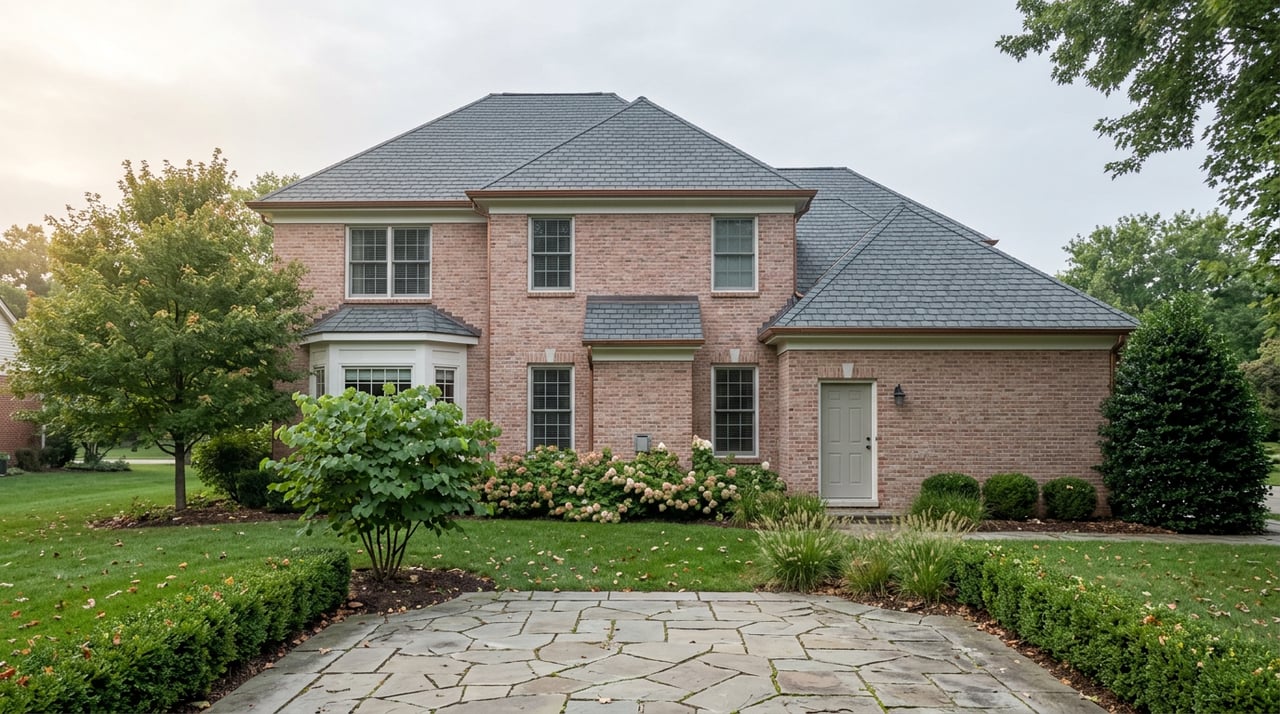
A seller lists a home in Wyndham, gets an offer inside the first week, and tells their agent to request the HOA packet so the closing date can go on the calendar. Fourteen days later the packet from the Wyndham Foundation arrives. Everyone breathes easy. Then the title company flags a second requirement: the property also sits inside Courtland at Wyndham, a separate homeowners association with its own governing documents and its own resale certificate obligation under Virginia law. The clock the seller thought had already run out starts over.
That sequence is not a worst-case scenario. It is what happens by default when a home in Wyndham sits inside one of the community's chartered sub-associations and nobody asks the question early enough to catch it.
The Law Behind The Clock
Since July 1, 2023, Virginia has run a single, unified process for this paperwork under the Resale Disclosure Act. Before that date, condos and planned communities each had their own version of the requirement with different names and different timelines. Now every common interest community in the state, whether it is a condo, a townhome association, or a single-family HOA like the ones inside Wyndham, issues the same document: a resale certificate governed by Chapter 23.1 of Title 55.1.
The statute gives the association 14 days from a written request to deliver that certificate. Miss the window and the law does not just let the association off the hook. It flips the outcome in the buyer's favor: the certificate is deemed unavailable, and that triggers the buyer's right to walk away from the contract. If the certificate arrives before the contract is ratified, the buyer gets three days from ratification to cancel. If it arrives after ratification, the buyer gets three days from the date they receive it, unless the contract sets a different window. Many Virginia REALTORS contracts extend that cancellation period to seven days, which means a late or incomplete certificate does not just cost time. It reopens the deal.
None of this is unique to Wyndham. What is unique to Wyndham is how many sellers there discover, partway through a transaction, that one certificate request was never going to be enough.
Why Wyndham Runs Two Layers Instead Of One
Wyndham is not a single homeowners association with a shared set of rules for every lot. It is a 1,271-acre master-planned community established in 1992, home to more than 1,700 residential units and over 5,000 residents, governed at the top level by the Wyndham Foundation. The Foundation manages the community's shared identity: the Dominion Club's 18-hole golf course designed by Curtis Strange, the Wyndham Swim and Racquet Club with its pool, splash pool, tennis and pickleball courts, and the parks scattered through the neighborhood.
Underneath that master layer, specific sections of Wyndham are organized as their own chartered associations with their own boards, their own dues, and their own governing documents tailored to a particular product type, such as attached homes or a distinct enclave of the neighborhood. Courtland at Wyndham Homeowners Association is one of these. Under the Resale Disclosure Act, each of these associations, master and sub, is its own legal entity for resale certificate purposes. A request to the Wyndham Foundation does not automatically pull in a certificate from Courtland at Wyndham, and a request to Courtland does not pull in the Foundation's. Each one is a separate 14-day clock, requested separately, delivered separately.
For a seller whose home falls under only the master Foundation, none of this matters. For a seller whose section carries a sub-association, it means the standard advice, "request your HOA packet as soon as you go under contract," is only half the instruction.
What The Math Actually Looks Like
| Scenario | Certificate requests | Statutory delivery window | Buyer cancellation clock |
|---|---|---|---|
| Master HOA only | 1 | Up to 14 days | Starts once delivered |
| Master HOA plus sub-association, requested at the same time | 2, in parallel | Up to 14 days | Starts once both are delivered |
| Master HOA plus sub-association, discovered late and requested one after the other | 2, sequential | Up to 28 days | Starts only after the second one arrives |
The difference between the second row and the third row is the entire point. Two certificates requested on the same day cost a seller no more time than one, because both clocks run at once. Two certificates discovered in sequence, the way the seller in our opening scenario found out, can cost a full extra two weeks before the buyer's cancellation window even begins. On a contract with a 30-day closing target, that is not a rounding error. It is nearly the whole timeline.
What A Resale Certificate Actually Costs
The financial side is smaller than the timing risk. Virginia caps what an association can charge to prepare and deliver a resale certificate, and that statutory cap is adjusted periodically. As of the most recent published figure for common interest communities in the Glen Allen area, the maximum preparation fee sits at $176.64 per certificate. A seller whose home carries two associations should expect two of these fees rather than one, but the total is still a modest, predictable line item at settlement. The risk in a two-association sale was never the dollar amount. It was always the sequence.
There is one timing tool worth knowing about if a certificate was issued earlier in the process and the deal has dragged past 30 days. Virginia law allows either party to request an updated certificate if the original is more than 30 days old but less than a year old, and the association has to deliver that update within 10 days rather than 14. A separate financial-only update, covering just the account balance and any new violations, has to come back within three business days. For a seller trying to keep a slow-moving closing on schedule, an updated certificate or a financial update can be faster than starting a fresh request from zero.
What To Do Before You List
The fix for all of this is not complicated. It just has to happen earlier than most sellers think to do it.
- Confirm with the listing agent, before the home goes on the market, whether the property sits inside a Wyndham sub-association in addition to the Foundation. The property's deed and the original purchase closing documents will show this.
- If a sub-association applies, request both resale certificates on the same day, addressed to both the Wyndham Foundation and the specific sub-association board or its management company.
- Build the 14-day window, not a shorter guess, into the contract's proposed closing date. If both certificates are requested in parallel, this is the outer limit, not the sequential worst case.
- If the deal stretches past 30 days from when the first certificate was issued, ask about an updated certificate or a financial update rather than restarting the full request.
None of this requires a lawyer. It requires knowing, before an offer is on the table, that Wyndham is a two-tier community in places where a lot of Richmond-area neighborhoods are only one.
FAQ
Does every home in Wyndham have a second HOA? No. Most of Wyndham is governed only by the Wyndham Foundation. The second layer applies to specific chartered sub-associations, such as Courtland at Wyndham, that cover particular sections or product types within the larger community. Checking a specific address against the property's original deed and closing documents is the only reliable way to know.
Can both resale certificates be requested at the same time? Yes, and doing so is the single biggest thing a seller can do to protect their timeline. Nothing in the Resale Disclosure Act requires the requests to happen in sequence. The delay in our opening scenario came from discovering the second association late, not from any rule that forces the clocks to run one after another.
What happens if a certificate does not arrive within 14 days? The law treats it as unavailable, which hands the buyer a cancellation right under the contract's terms, typically three to seven days from that point. It does not automatically kill the deal, but it gives the buyer leverage and an easy exit if they want one.
Selling a home inside a master-planned community with layered HOAs is exactly the kind of transaction where local knowledge of the neighborhood's structure, not just the general statute, keeps a closing date intact. Option1Realty has spent years working inside Richmond-area communities like Wyndham and knows which sections carry a second association before the title company has to find out the hard way. Start Saving Today, Get Your Free Market Analysis.