Wondering whether an older Willow Lawn home or a newer West End build is the better fit for you? That choice can feel tricky when one option offers charm and established streets while the other promises newer finishes and a more predictable layout. If you are buying around Willow Lawn, it helps to know what the local housing stock really looks like, what to inspect closely, and where newer construction may justify a higher price. Let’s dive in.
Willow Lawn homes skew older
Willow Lawn is largely an older, single-family neighborhood in the city of Richmond. The neighborhood is generally defined as the area between the east side of Willow Lawn Drive and the west side of Westmoreland Street, and between the south side of Monument Avenue and the north side of Patterson Avenue.
The housing profile helps explain why buyers often compare character against convenience here. VCU DataShare reports a median year built of 1955, with 49.74% of homes built in the 1950s and 29.10% built in 1940 or earlier. It also shows that 94.71% of the housing stock is single-family, so many buyers will be looking at detached homes with older layouts and long-term maintenance considerations.
Older homes can offer charm and tradeoffs
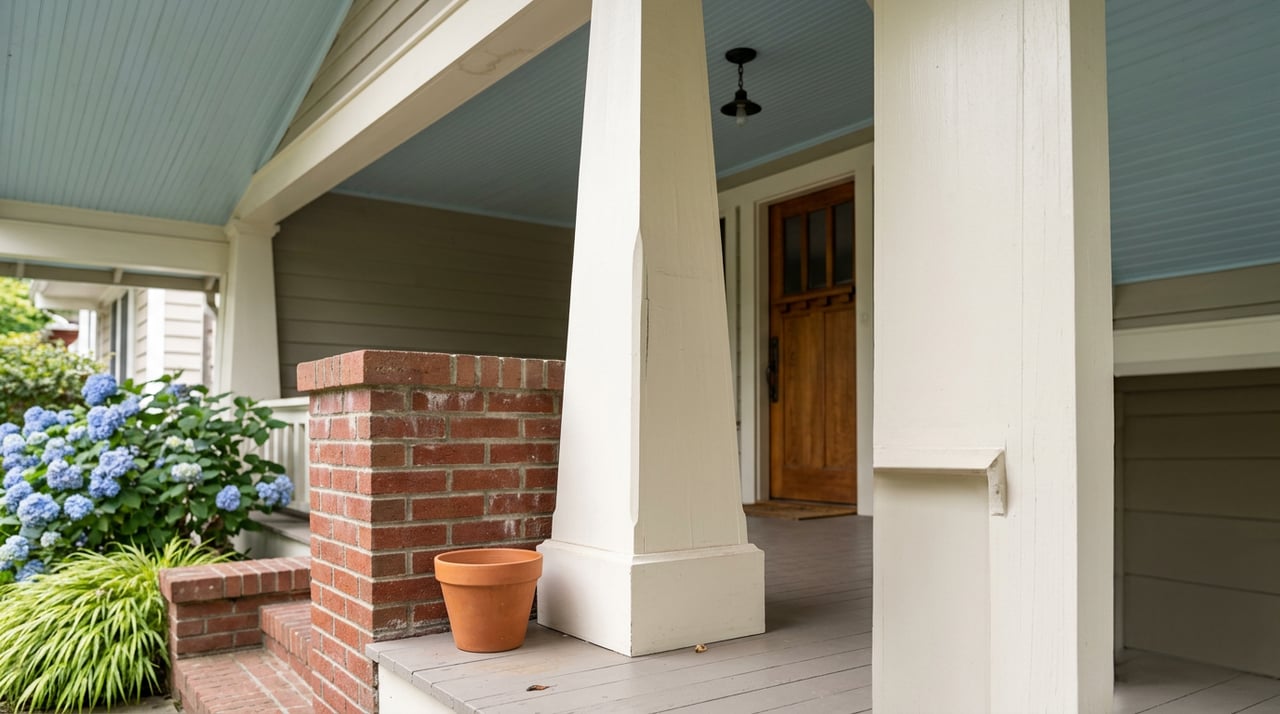
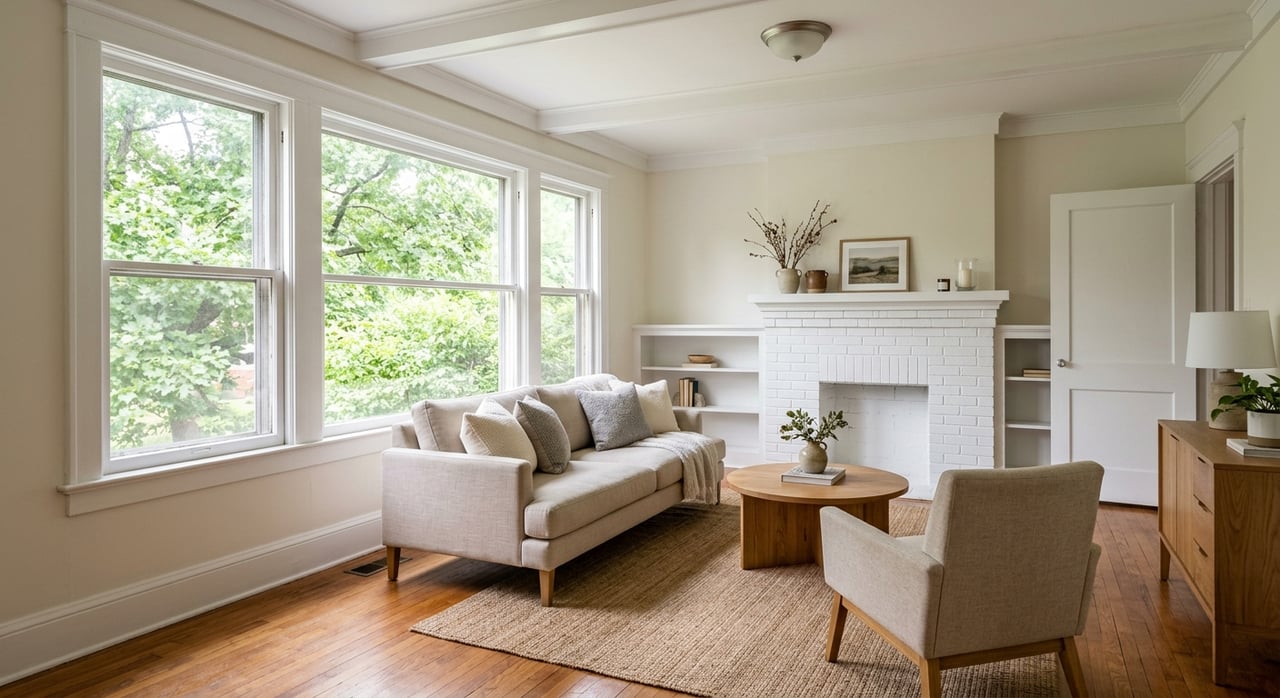
Older Willow Lawn homes often appeal to buyers who like brick exteriors, established streets, and homes that feel distinct from one another. That character can be a real plus, but it should not outweigh how the home works for your daily life.
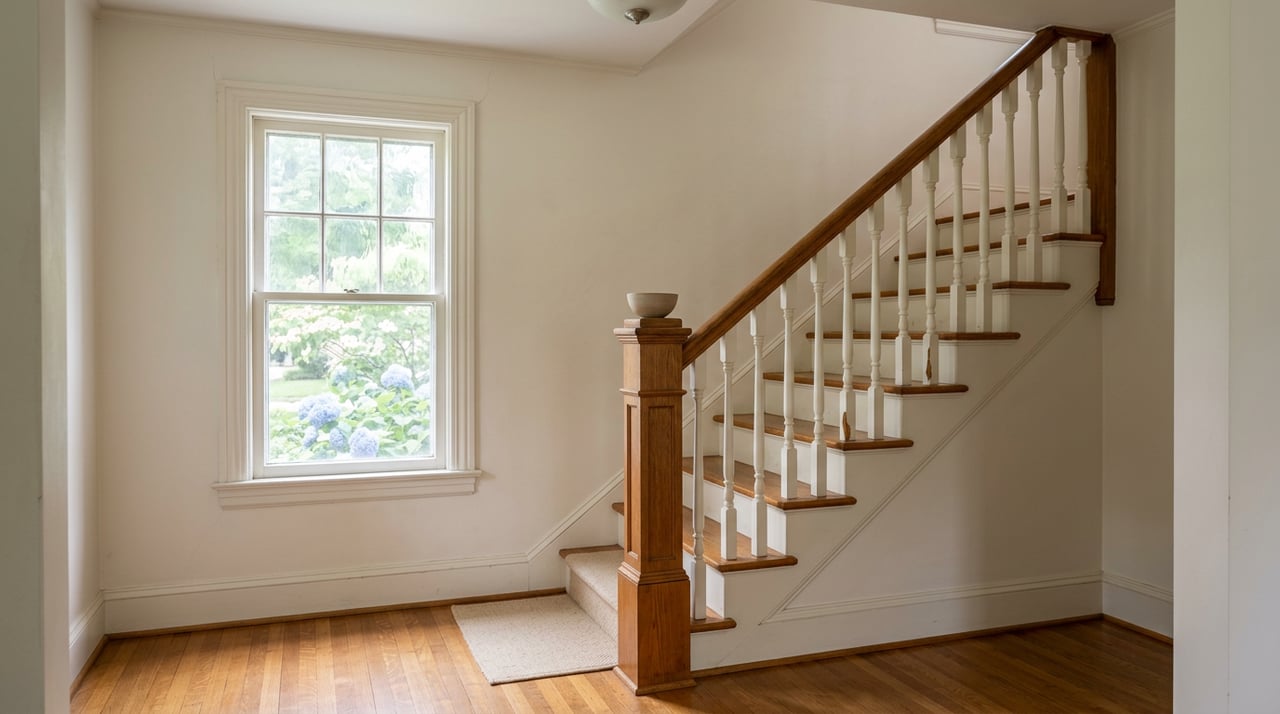
When you tour an older house, pay close attention to function. Look at the room count, how the spaces connect, how much storage you get, and whether there is realistic expansion potential. A home can be full of charm and still feel inconvenient if the layout does not support how you live.
Focus on livability first
A smart way to compare older homes is to think beyond finishes. Ask yourself whether the kitchen placement, bathroom count, bedroom sizes, and traffic flow make sense for your routine.
Also consider whether you would need to renovate right away or if the home works well enough as-is. That simple question can save you from buying a house that looks appealing at first but becomes expensive or frustrating later.
Older Willow Lawn homes need closer inspection
Because so much of Willow Lawn was built before 1960, due diligence matters. Older homes can have solid bones, but they often deserve extra attention in areas that may not be obvious during a casual showing.
For homes built before 1978, the EPA says you should assume lead-based paint may be present or hire a certified inspector or risk assessor. That does not mean every older home has a serious issue, but it does mean you should take the possibility seriously when building your inspection plan and budget.
The U.S. Department of Energy also notes that many older homes have less insulation than homes built today. A home energy assessment can help identify insulation and air-sealing gaps, which may affect both comfort and utility costs.
What a general home inspection usually covers
According to Fannie Mae’s inspection guidance, a home inspection typically reviews:
- Electrical systems
- Gas systems
- Plumbing
- Roofing
- Insulation and ventilation
- HVAC systems
- Foundation and crawlspaces
- Windows
That inspection can reveal safety issues, maintenance concerns, structural problems, or illegal installations. In many cases, it gives you a practical roadmap for what may need repair now versus later.
When to bring in specialists
A general inspection is a strong starting point, but it is not always the end of the story. Fannie Mae notes that pests, radon, asbestos, mold, and lead may require separate specialists.
If the inspector flags concerns in any of those categories, treat that as a signal to get more information. It is usually better to spend more on due diligence up front than to take on unknown risks after closing.
Newer West End homes offer a different value
If you want something newer, nearby West End options in Henrico may offer a very different buying experience. Henrico County has highlighted projects in the West End and Tuckahoe area, including Discovery Ridge off Gayton Road with three-story townhomes featuring three bedrooms, two full baths, two half-baths, and a one-car garage.
The county also noted that Pemberton Row off Quioccasin Road will add 20 affordable four-bedroom homes. These examples show how newer homes in the broader area often emphasize defined bedroom counts, attached garages, and more current kitchen and bath finishes.
Newer homes often shift the decision
With newer construction, the conversation often changes. Instead of focusing first on immediate repairs, buyers may spend more time comparing lifestyle details such as garage space, bathroom count, and whether the floor plan works without major remodeling.
That does not mean newer homes are maintenance-free. The Department of Energy notes that even newer homes can benefit from added insulation, and Fannie Mae recommends asking what needs immediate repair, what may need replacement soon, and whether any issue deserves specialist review.
Price matters in the older-versus-newer choice
For many buyers, the biggest tradeoff is price. Henrico’s 2025 HOME market analysis found a median sales price of $386,000 for existing homes and $464,893 for new-construction homes sold between July 2024 and June 2025.
That means new construction carried about a $79,000 premium, or roughly 20%, over existing homes in that data set. In practical terms, a newer home may buy you more predictable systems and finishes, but it can also require a noticeably larger budget.
A simple way to compare true cost
When you weigh an older Willow Lawn home against a newer West End property, compare more than just the list price. Think about your likely near-term spending after closing.
For an older home, that may include repairs, insulation upgrades, window work, or specialist inspections. For a newer home, the initial repair list may be shorter, but the purchase price may be higher from day one.
Use inspection results as a budget forecast
One of the best buyer tips in this market is to treat inspection findings as a budgeting tool, not just a negotiation tool. That mindset helps you make a clearer decision and avoids focusing only on the emotional highs and lows of the contract period.
Try to separate issues into three buckets:
- Must-fix items that affect safety or major function
- Near-term replacements that may be needed soon
- Cosmetic updates that can wait
This approach gives you a more realistic picture of ownership. It also makes it easier to compare an older home with character against a newer home with a higher entry cost.
Prioritize updates that hold value
If you buy an older home and plan to improve it over time, practical updates tend to be the safest place to start. The 2025 Remodeling Impact Report summary cited by NAR found strong estimated cost recovery in a new steel front door at 100%, new vinyl windows at 74%, minor or complete kitchen upgrades at 60%, and bathroom renovation at 50%.
The same summary says agents most often recommend painting and replacing a failing roof before listing. For buyers, that is a useful signal that visible, functional improvements often matter more than highly personalized luxury upgrades.
It is also worth noting that 46% of buyers are less willing to compromise on a home’s condition. That means deferred maintenance can weigh more heavily in future resale, especially if basic systems or visible upkeep fall behind.
Which type of home fits you best?
An older Willow Lawn home may be a better fit if you value established surroundings, prefer single-family housing, and are comfortable doing more careful inspection work. It can also make sense if you want the chance to improve a home over time instead of paying the premium for brand-new construction.
A newer West End home may fit better if you want a more standardized layout, newer finishes, and fewer immediate repair questions. You may pay more up front, but the tradeoff can be easier day-to-day living with fewer early surprises.
The right answer depends on your budget, your tolerance for projects, and how important character versus convenience is to you. A clear, local comparison can help you avoid overpaying for features you do not need or underestimating repairs you are not ready for.
If you are weighing older and newer homes around Willow Lawn, a practical strategy and local perspective can make the decision a lot easier. For guidance that stays focused on value, neighborhood fit, and your bottom line, reach out to Adam Tuck.
FAQs
What makes Willow Lawn homes different from newer West End homes?
- Willow Lawn homes are mostly older single-family houses, with a median year built of 1955, while newer West End options in Henrico often offer more standardized layouts, attached garages, and newer finishes.
What should you inspect in an older Willow Lawn home?
- You should pay close attention to electrical, plumbing, roofing, insulation, ventilation, HVAC, foundation or crawlspaces, and windows, and consider specialist follow-up if the inspector flags lead, mold, asbestos, radon, pests, or major system issues.
Do older homes in Willow Lawn usually have lead-based paint?
- For homes built before 1978, the EPA recommends assuming lead-based paint may be present or hiring a certified inspector or risk assessor.
Are newer homes near Willow Lawn more expensive?
- In Henrico’s 2025 HOME market analysis, new-construction homes had a median sale price of $464,893 versus $386,000 for existing homes, which was about a $79,000 premium.
How should you compare an older home with a newer one around Willow Lawn?
- Compare the full cost of ownership, including purchase price, likely repairs, layout fit, storage, energy performance, and any near-term upgrades you may need after closing.