Buyers moving into Bellevue often assume the seller has to tell them what is wrong with the house. In most states, that assumption is roughly correct. In Virginia, it is not. The statement you will receive at contract signing is drafted to do the opposite of what its name suggests, and the housing stock along MacArthur, Bellevue, Pope, and Hermitage is old enough that the systems most likely to fail are exactly the ones a general home inspection will not open up.
That combination is the thesis of this post. In Bellevue, the inspection contingency is not a checklist item. It is the single window in which you hold any real leverage, and how you use it should be shaped by the specific era of the house you are buying.
The Leverage Window Closes Fast in Virginia
Virginia is a caveat emptor jurisdiction. Sellers of real estate in Virginia are not necessarily required to fully disclose all property defects, especially when the sale is AS IS, and it is the buyer who must exercise the required due diligence before purchasing the property. The Virginia Residential Property Disclosure Act, codified at Va. Code § 55.1-700 et seq., does not walk that back. Virginia requires sellers to give buyers a Residential Property Disclosure Statement that makes no promises about condition and instead explicitly tells buyers to investigate the property themselves.
Read plainly, that means once you close, most defects you later discover become your problem. Once you sign this statement and complete the sale, the seller is protected from most defects you discover that you may have not properly investigated before buying the home. The inspection contingency period is where you convert that liability back into information you can act on.
How much you can actually act depends on what you signed. A full contingency lets you request repairs or credits, or walk away. A void-only contingency lets you cancel if major issues arise, but no repair demands. A waiver means you proceed as is, though inspection may still be done for information. In a fast-moving Richmond market, void-only and waiver terms are increasingly common, and both leave you without repair leverage. Know which one you signed before you order inspections, because it changes what you can do with the findings.
What Bellevue's Housing Stock Guarantees You'll Find
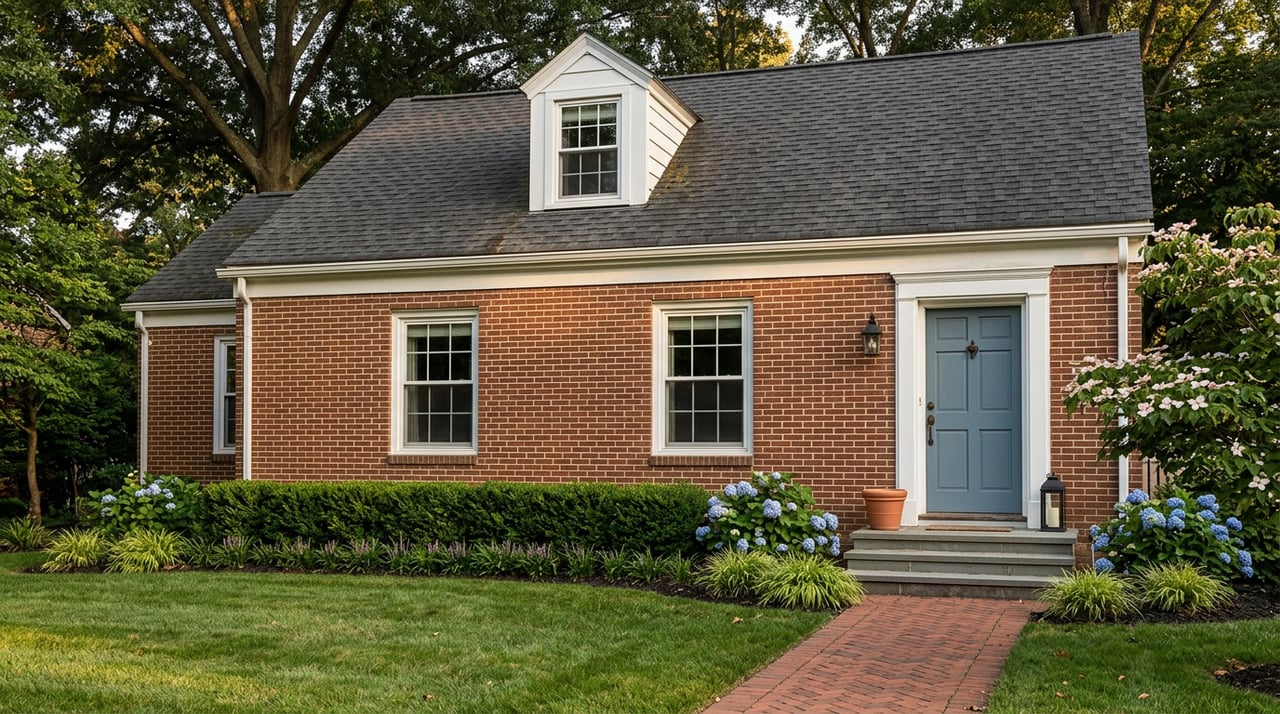
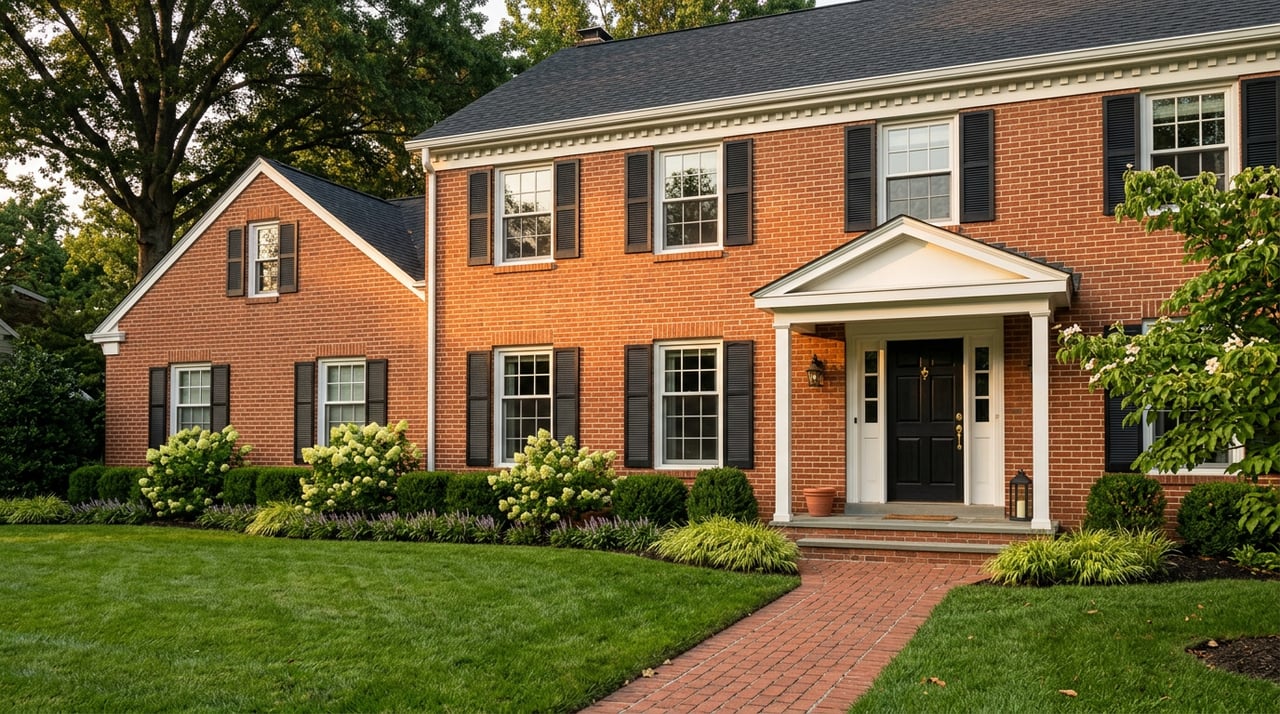
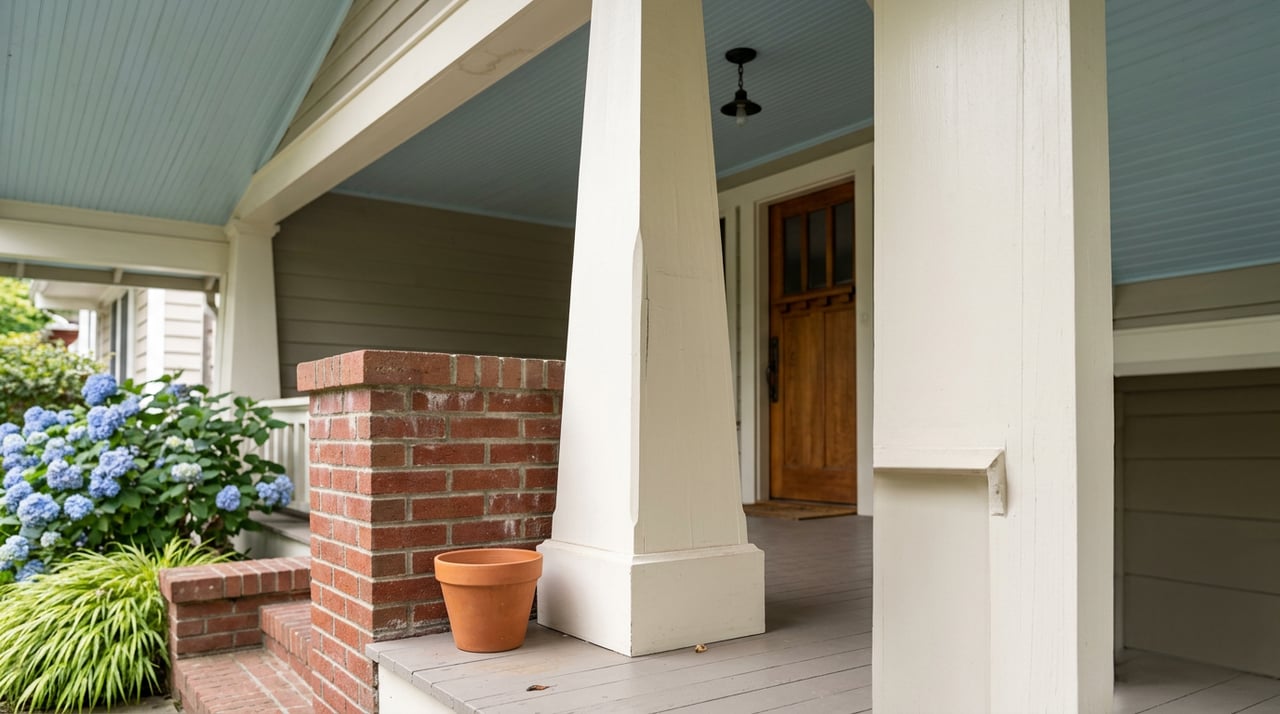
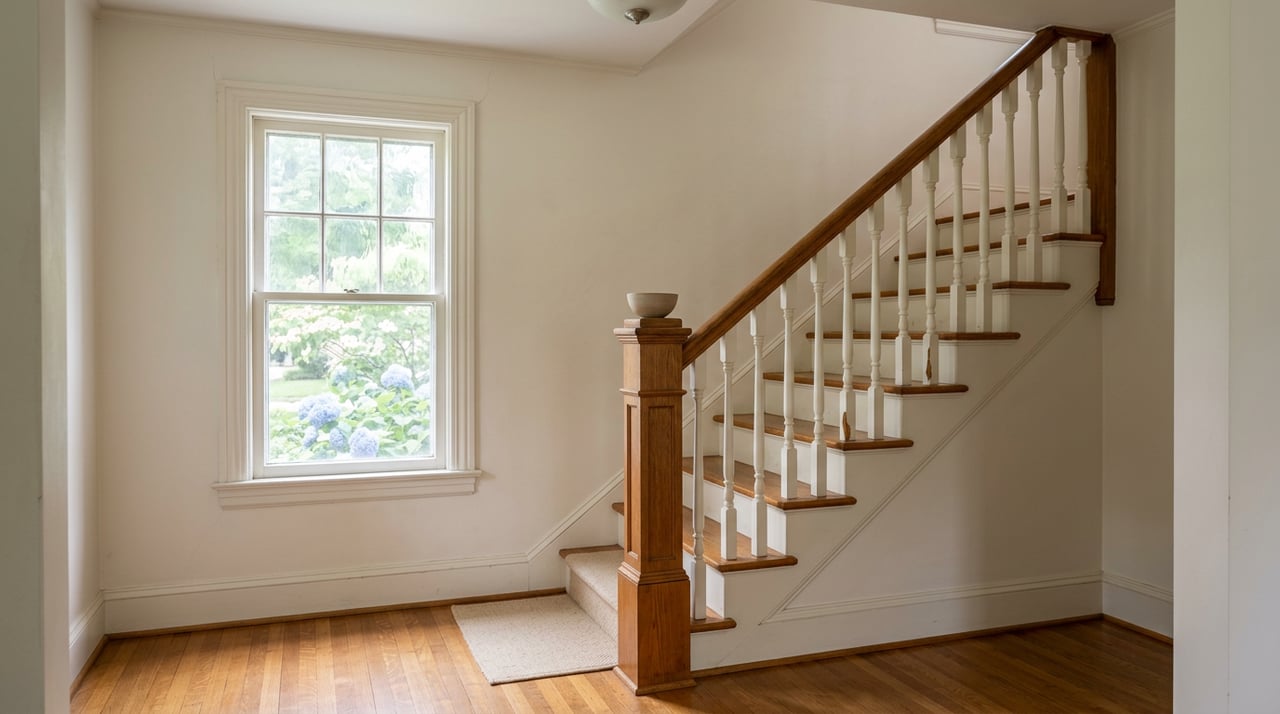
Bellevue's charm is inseparable from its age. The neighborhood developed as a number of subdivisions primarily in the 1920s and '30s and today comprises around 1,200 architecturally-rich homes and maturely-landscaped yards. Dutch Colonials, Tudor Revivals, and American Foursquares are common, and you can also find smaller bungalows, Cape Cods, and Minimal Traditional houses. These homes were built with materials and systems that were standard at the time and are now, in inspection language, at or past end of life.
The specific risks are consistent across Richmond's older housing:
| System | Typical era-appropriate condition | What to order | Rough repair range |
|---|---|---|---|
| Sewer lateral | Terra cotta or cast iron, likely original | Camera scope | $10,000–$30,000+ |
| Electrical | Knob-and-tube, aluminum branch, or Federal Pacific panel | Dedicated electrical inspection | $3,000–$15,000+ to rewire or replace panel |
| Water supply | Galvanized steel with internal corrosion | Pressure test, note pipe material | Varies by scope |
| Waste stack | Cast iron drain stack, past service life | Note in scope; verify at inspection | Varies |
| Crawlspace | Vapor barrier missing or degraded | Moisture and wood-destroying-organism check | $3,000–$10,000+ for encapsulation |
| Finishes | Lead paint, asbestos in tile, plaster, wrap | Targeted testing if disturbed | Testing $200–$800; abatement varies |
None of this is a reason not to buy in Bellevue. It is a reason to price these risks into the offer and to use the contingency window before you lose it.
The Add-Ons a Standard Home Inspection Won't Cover
Buyers new to older Richmond housing are often surprised by what a general inspection excludes. Underground pipe, mold, radon, and specialized electrical are the four most common gaps.
The sewer scope is the highest-return add-on. Properties with cast iron sewer lateral pipes are especially vulnerable, as these pipes typically have a lifespan of around 75 years, and most homes with a cast iron sewer lateral pipe are approaching, at, or past 75 years old. A Bellevue house built in 1928 with its original lateral is already two decades past that expected life. Sewer lateral pipes are often buried 10 to 15 feet below grade, making them costly to repair or replace and requiring heavy equipment to excavate, with an average repair cost between $10,000 and $15,000 and some cases exceeding $30,000. Richmond inspectors including Burgess Inspections, Advanced Home Inspection, and HomeKey Inspections all offer scopes; MA Williams and Woodfin handle repair diagnostics on the plumbing side.
Electrical is the second add-on to consider. Richmond inspectors routinely flag original terra cotta sewer lines, hazardous knob-and-tube wiring or outdated Federal Pacific panels often hidden behind modern renovations, and galvanized piping with internal corrosion that restricts water pressure in Richmond's older homes. If the listing mentions "updated electrical," ask what was actually replaced. Circuits fed from a new panel through original knob-and-tube runs are still knob-and-tube in the walls, and insurers increasingly ask.
Plumbing supply lines deserve a specific look. Older Richmond homes, particularly those built before 1970, often have galvanized steel or cast iron pipes, and these materials were acceptable under previous codes but may not meet current standards when modified or repaired. The practical implication is that if you plan to open walls for a bathroom or kitchen remodel post-close, the touched supply lines will typically need to come up to current code.
Crawlspace moisture is a Bellevue-specific concern. Richmond's hilly topography and aging storm-water infrastructure put a premium on basement and crawlspace health, and older homes need proper vapor barriers to prevent wood-destroying fungi in Virginia's humid climate. A general inspector will note visible moisture; a WDO inspection tells you whether that moisture has already done structural work.
How Loan Type Interacts With Inspection
The inspection scope is not just a buyer preference. It can be dictated by the loan. FHA and VA appraisers may flag issues like peeling lead paint, missing handrails, or roof damage, with repairs required before loan approval, and historic homes common in Richmond may require asbestos, lead, or wiring checks with added preservation limits.
Two consequences follow. First, FHA and VA buyers should assume that any deferred maintenance visible from the sidewalk becomes a required-repair item, which affects timeline more than a conventional buyer would expect. Second, Option 1 Realty's Heroes program buyers using VA financing on a 1930s Foursquare should plan for a longer path to clear-to-close than the same property under a conventional offer.
What This Means for Your Offer Math
Here is the interpreted piece the portal comps do not give you. As of the three months ending May 2026, Richmond's median sale price was around $414,000 with homes averaging 14 days on market, according to Redfin's MLS-derived data. Mission Realty's July 2026 neighborhood price guide places the broader Northside, including Bellevue, in a range of roughly $250,000 to $380,000, with 5 to 7 percent year-over-year appreciation. Bellevue itself indexes higher than that Northside average; local reporting puts the neighborhood's median sale price in the mid-$500,000s, above nearby Laburnum Park and Ginter Park, with larger or luxury-updated homes reaching the upper $800,000s.
That premium is the point. Buyers paying above the Northside median for Bellevue are paying for architectural character, tree canopy, walkable commercial strips at MacArthur and Bellevue Avenues, and the neighborhood-scale events organized by the Bellevue Civic Association. What they are also implicitly paying for is the housing stock most exposed to legacy-system replacement cost. A $565,000 Tudor Revival with an unreplaced 1929 sewer lateral, original knob-and-tube in the second-floor bedrooms, and galvanized supply is not overpriced. It is priced as if a future owner will spend $30,000 to $60,000 modernizing it. The question is whether that owner is you, priced in at offer, or you, surprised at month 14.
The negotiation move that follows is straightforward. Order the sewer scope and electrical inspection during the contingency window on any Bellevue home built before 1950. If you signed a full contingency, price the findings as credits at closing rather than as seller repairs. Sellers of older homes are often unwilling to open walls for a buyer, but they will frequently write a credit against known replacement cost. If you signed a void-only or waived contingency, the inspection still tells you what to budget for year one.
FAQ
Do I still get a Residential Property Disclosure Statement if the seller lists the home "as is"? Yes. The statement is required regardless of listing terms, but as discussed above, it disclaims rather than warrants condition. The disclosure effectively notifies the buyer that the seller does not make any representations about certain conditions related to the property, including but not limited to adjacent areas, stormwater and wastewater facilities, and easements.
How long does a full inspection with add-ons take on a Bellevue home? Plan on a half day. Most Richmond inspections take between two and three hours. Add another hour or so for a separate sewer scope and any specialty electrical work.
Is a pre-listing inspection worth it if I am selling in Bellevue? Often yes. Pre-listing inspection lets you decide which items to address before the market sees them and price accordingly, rather than negotiating from a defensive posture during the buyer's contingency window.
What does the Bellevue neighborhood feel like beyond the transaction? Character-rich and walkable. The neighborhood has around 1,200 architecturally-rich homes and maturely-landscaped yards, with two commercial districts featuring locally-owned businesses that provide multiple destinations for dining, shopping, and services. That texture is the reason people pay the Bellevue premium in the first place.
If you are under contract on a Bellevue home, or thinking about writing an offer on one, the inspection contingency window is where the money is made or lost. Adam Tuck and the Option 1 Realty team work Bellevue and the wider Richmond Northside every week, and we can help you shape a scope of inspections, a contingency structure, and an offer price that reflects what the walls actually contain. Start Saving Today — Get Your Free Market Analysis.