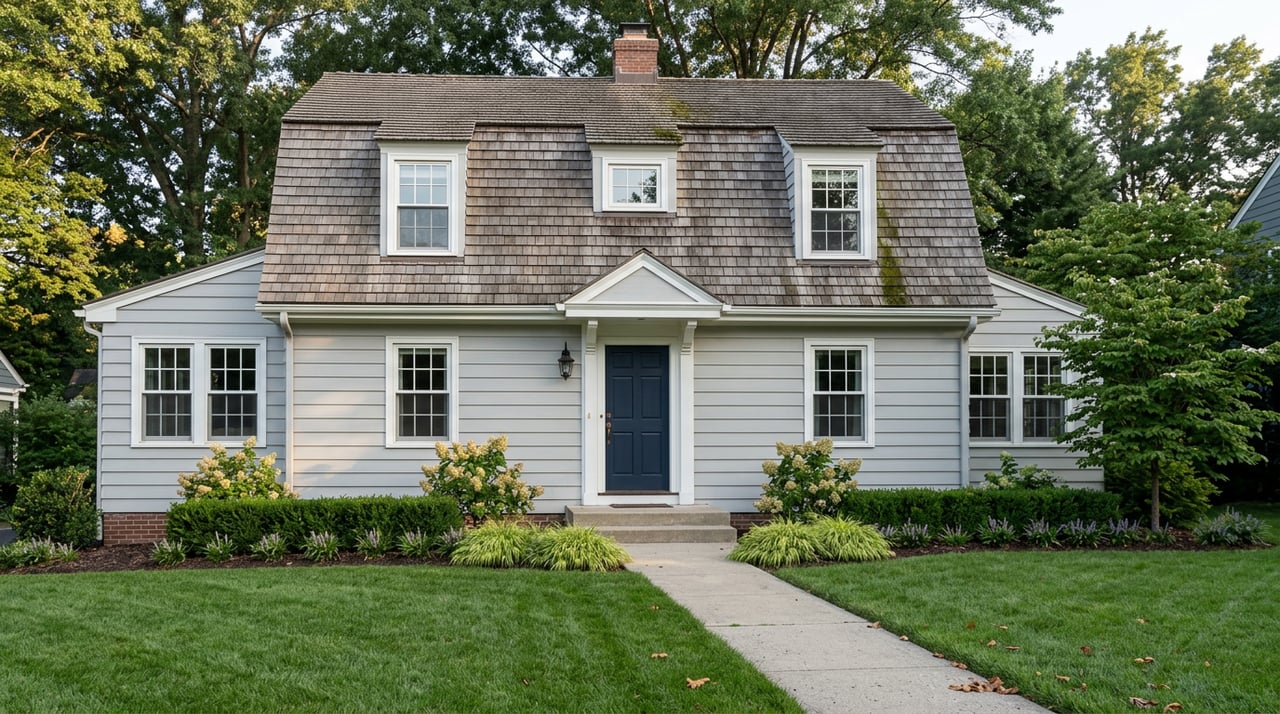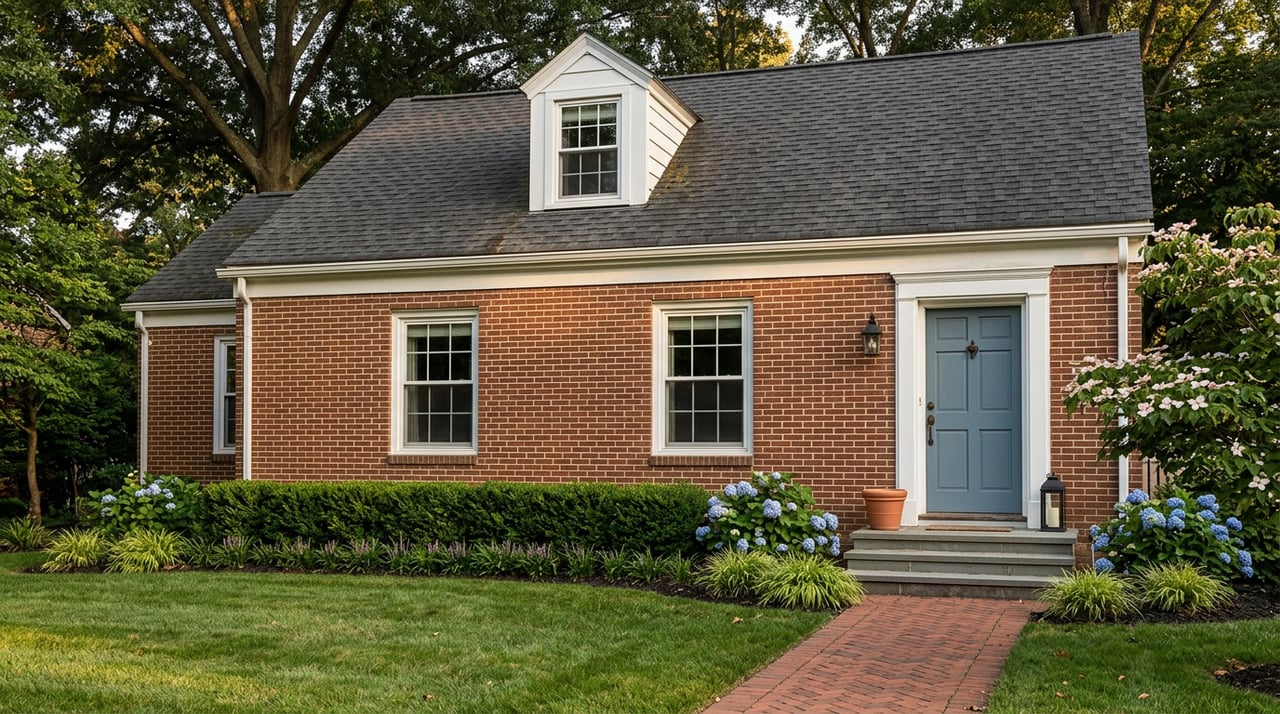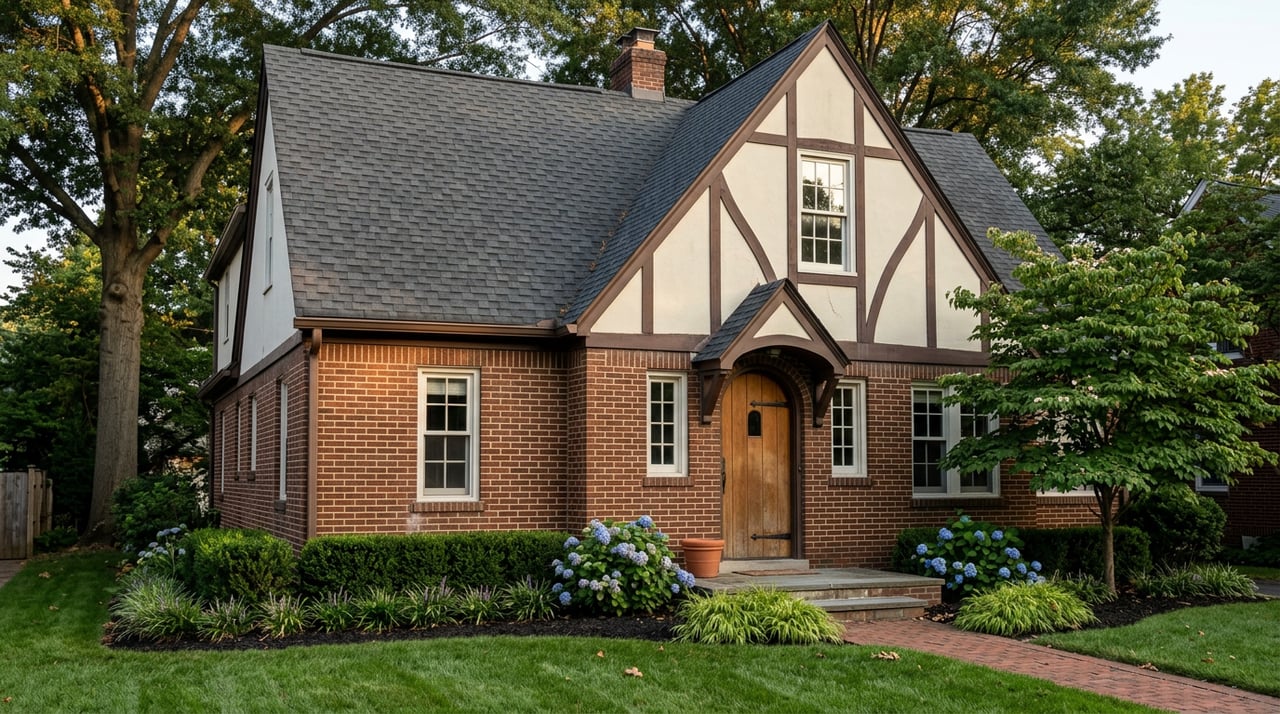
Walk two blocks in Richmond's Northside and you'll cross from one historic neighborhood into another without a sign to tell you it happened. Take a buyer touring on the same Saturday: a 1928 Foursquare on a standard city lot in Bellevue, then a larger 1926 Colonial Revival ten minutes away in Laburnum Park sitting on nearly half an acre. Same decade. Same general vocabulary of gables and covered porches. The Laburnum Park house has more house and more yard. It also, more often than not, carries the lower price tag.
That's the part of this market that doesn't show up on a portal's median-price snapshot. Bellevue, Ginter Park, and Laburnum Park sit next to each other, share a building era, and even share elementary school boundaries, yet they don't price the way square footage and lot size would predict. Something else is setting the premium, and it's worth understanding before you write an offer in any of the three.
The Price Nobody Expects When the Lot Is Bigger
Over the twelve months tracked through early August 2026, Bellevue's median sale price sat at roughly $566,300, up about 3% year over year. Ginter Park's median over the same trailing window was closer to $530,000, down about 6%. Laburnum Park's twelve-month median came in lowest of the three at $513,392, down about 18% year over year. A separate single-month print for Bellevue in May 2026 showed $554,813, down slightly from the year before, which is a reminder that a trailing twelve-month figure and a single month can tell slightly different stories in a market this size.
The ordering holds however you slice it: Bellevue on top, Ginter Park in the middle, Laburnum Park at the bottom. That's not surprising by itself. What's surprising is which neighborhood has the smallest homes on the smallest lots.
"Bellevue's a village, really, where you can walk to shops and restaurants," says longtime resident and real estate agent Joan Peaslee.
That quote explains a lot about why people want to live there. It doesn't explain the price gap on its own, because Laburnum Park residents make the same walk to the same shops.
Same Decade, Same Styles, Same Schools
Before getting to what's different, it's worth being honest about what isn't. These three neighborhoods overlap almost entirely on the things buyers usually use to size up a comparable:
- Building era. Bellevue's roughly 1,200 homes mostly date from the 1920s through the 1940s. Ginter Park's stock mostly went up between 1900 and 1930. Laburnum Park's homes are mostly 1920s construction.
- Architectural vocabulary. All three mix American Foursquare, Colonial Revival, and Tudor Revival homes, with Bellevue adding Spanish Colonial Revival and Arts and Crafts bungalows, and Laburnum Park adding Craftsman and Mediterranean-influenced designs, according to Architecture Richmond's neighborhood profile.
- School assignment. Linwood Holton Elementary, Henderson Middle, and John Marshall High serve all three neighborhoods under Richmond Public Schools' address-based enrollment.
- Shared green space. Bryan Park, with its 262 acres and the RVA Big Market on Saturday mornings, sits within walking or biking distance of both Bellevue and Laburnum Park.
If a buyer's only tools are era, style, and schools, these neighborhoods should price close to identical. They don't.
The Half-Acre That Doesn't Pay For Itself
Laburnum Park is the outlier in the other direction. Its homes are described as having larger-than-average footprints on lots that typically run around half an acre, roughly double or more what a standard Bellevue lot offers. Bellevue's home sizes run from about 952 to 3,500 square feet. Ginter Park's run wider, from about 920 up to 4,498 square feet, with homes over 3,000 square feet reaching into the $800,000s and beyond. Laburnum Park's bigger, older homes on bigger lots should command a premium over Bellevue's tighter footprints. Instead they sell for less.
| Neighborhood | 12-Month Median Sale Price (mid-2026) | Typical Lot | Home Size Range | Main Commercial Corridor |
|---|---|---|---|---|
| Bellevue | ~$566,300 | Standard city lot | ~950 to 3,500 sq ft | Bellevue Ave and MacArthur Ave, inside neighborhood boundaries |
| Ginter Park | ~$530,000 | Generous, city-lot scale | ~920 to 4,498 sq ft | Brook Road, along the neighborhood's edge |
| Laburnum Park | ~$513,392 | ~1/2 acre | Larger-than-average footprints | None inside neighborhood; walks to Bellevue's shops |
Hosting the Corridor Versus Borrowing It
This is the piece the median price doesn't tell you. Bellevue's two commercial strips, the 1200 block of Bellevue Avenue and the 4000 block of MacArthur Avenue, sit inside Bellevue's own boundaries. Dot's Back Inn, the diner that landed a spot on Food Network's Diners, Drive-Ins and Dives, is a Bellevue address. So are Once Upon a Vine, Little House Green Grocery, Northside Grille, and Up All Night Bakery. When a Bellevue buyer walks to dinner, they're walking to their own street.
Laburnum Park's own neighborhood description is candid about this: its shops and restaurants are, in its own words, Bellevue's shops and restaurants, within walking distance but not on Laburnum Park's own streets. Ginter Park points to a similar arrangement, crediting its own walkability to a stretch of Brook Road, one of the same major thoroughfares that Architecture Richmond lists as marking Bellevue's boundary. Two of the three neighborhoods are, by their own descriptions, borrowing a corridor that sits at or inside the third.
That distinction, hosting the walkable retail block instead of walking to it, appears to be worth more to buyers than an extra acre of lawn.
What the Monthly Payment Actually Looks Like
The lot-size paradox gets easier to read once you look at what current residents actually earn against what a new buyer would need. Using a 20% down payment and a 30-year fixed loan, buying at Ginter Park's median with a 6.17% rate produces an estimated principal and interest payment of about $2,560 a month, requiring roughly $110,000 in household income under a standard 28% affordability rule. Ginter Park's average household income comes in at about $89,000, well under that threshold.
Laburnum Park runs the other way. At its median price with a 6.43% rate, the estimated payment is about $2,380 a month, requiring roughly $102,000 in income. Laburnum Park's average household income sits at about $153,000, well above what the math requires. Paired with a reported 89% owner-occupancy rate and a median resident age of 59, that surplus points to a neighborhood of long-tenured owners who bought years ago at lower basis, not a market of buyers actively stretching to compete for what comes up for sale. Fewer of those half-acre lots change hands in a given year, and the ones that do aren't necessarily priced up to reflect current renovation costs the way a recently flipped Bellevue bungalow might be.
Three Things This Means If You're Comparing These Neighborhoods
- A lower median in Laburnum Park doesn't automatically mean better value. Bigger lots mean more lawn, more exterior surface to maintain, and potentially more deferred updates on systems that have sat with the same long-tenured ownership base for decades.
- Bellevue's premium is buying proximity to a specific commercial address, not just a neighborhood name. If walkability to MacArthur Avenue and Bellevue Avenue matters to your daily routine, that's what the extra dollars are paying for.
- Ginter Park sits in the middle for a reason. Its own income-to-price math suggests a market where buyers are already paying slightly ahead of what typical residents earn, a sign of active turnover rather than long-held inventory.
FAQ
Do Bellevue, Ginter Park, and Laburnum Park share the same public schools? Yes. All three are zoned to Linwood Holton Elementary, Henderson Middle School, and John Marshall High School under Richmond Public Schools' address-based enrollment.
Why would a smaller lot cost more than a half-acre lot nearby? Based on the data here, it comes down to what's inside the neighborhood boundary. Bellevue hosts its own walkable commercial strip on Bellevue Avenue and MacArthur Avenue, while Laburnum Park's own materials describe walking to Bellevue's shops rather than having a retail corridor of its own.
Is a bigger, older home on a bigger lot always a better deal? Not necessarily. A larger footprint on a half-acre lot generally means more exterior maintenance, more square footage to update, and, if the neighborhood's ownership tenure is long, potentially more deferred work than a smaller, more recently turned-over home nearby.
If you're weighing these three Northside neighborhoods against each other, or trying to figure out what a specific address in Bellevue, Ginter Park, or Laburnum Park is actually worth right now, Option 1 Realty can walk you through comparable sales street by street. Start Saving Today — Get Your Free Market Analysis.