Trying to choose between Bellevue and the Near West End? You are not alone. Both are classic Richmond areas with character, convenience, and strong buyer appeal, but they offer very different day-to-day experiences. If you are comparing where you might feel most at home, this guide will help you understand the housing styles, amenities, commute patterns, and market signals that set them apart. Let’s dive in.
Bellevue vs. Near West End at a glance
At a high level, Bellevue and the Near West End are not perfectly equal comparisons. Bellevue is a compact, clearly bounded Northside neighborhood of about 1,200 homes, while the Near West End is a broader market area that includes several nearby pockets and neighborhoods, according to Realtor.com’s Near West overview.
That difference matters when you start house hunting. Bellevue tends to feel more cohesive and neighborhood-specific, while the Near West End gives you a wider range of housing, streetscapes, and price points depending on the exact pocket you are exploring.
Bellevue’s historic character
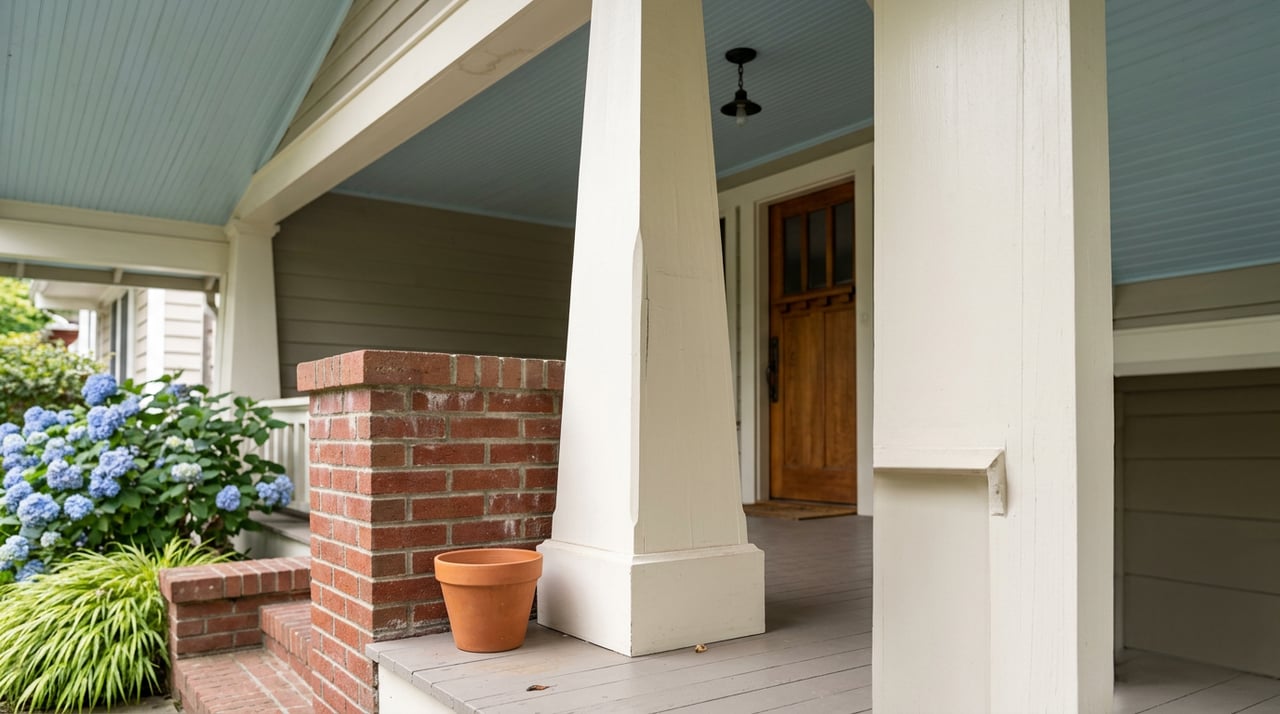
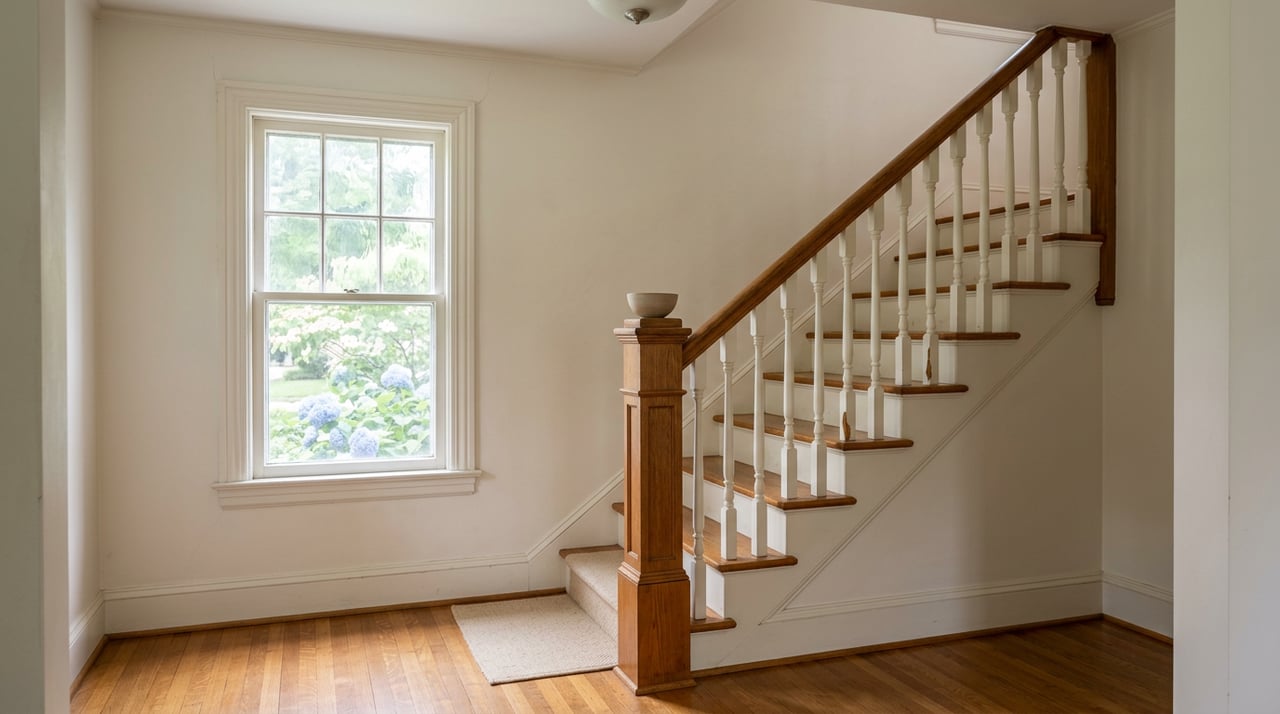
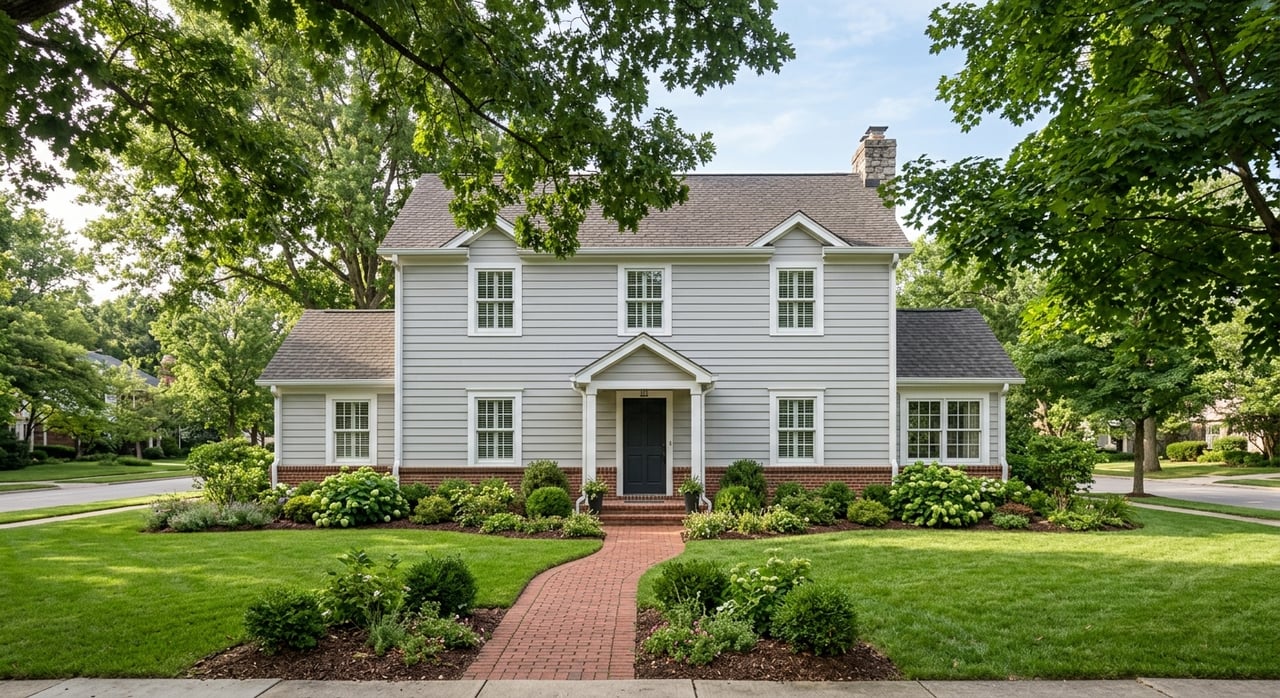
Bellevue grew as a streetcar suburb in the 1920s and 1930s, and most of its homes were built by the late 1940s. The Bellevue Civic Association history page describes a rich architectural mix that includes bungalow, American Foursquare, Shingle Style, Colonial Revival, Spanish Colonial Revival, and Tudor Revival homes.
For you as a buyer, that often translates into a neighborhood with a strong sense of identity. The variety in home style can make each block feel visually interesting while still reflecting a consistent early 20th-century pattern.
What Bellevue feels like
Bellevue often appeals to buyers who want a neighborhood that feels clearly defined. Its housing fabric, local business corridors, and preservation-minded approach all reinforce that sense of place.
If you value a compact neighborhood where the overall character feels established, Bellevue may stand out. The area’s identity is one of its strongest selling points.
Near West End’s broader mix
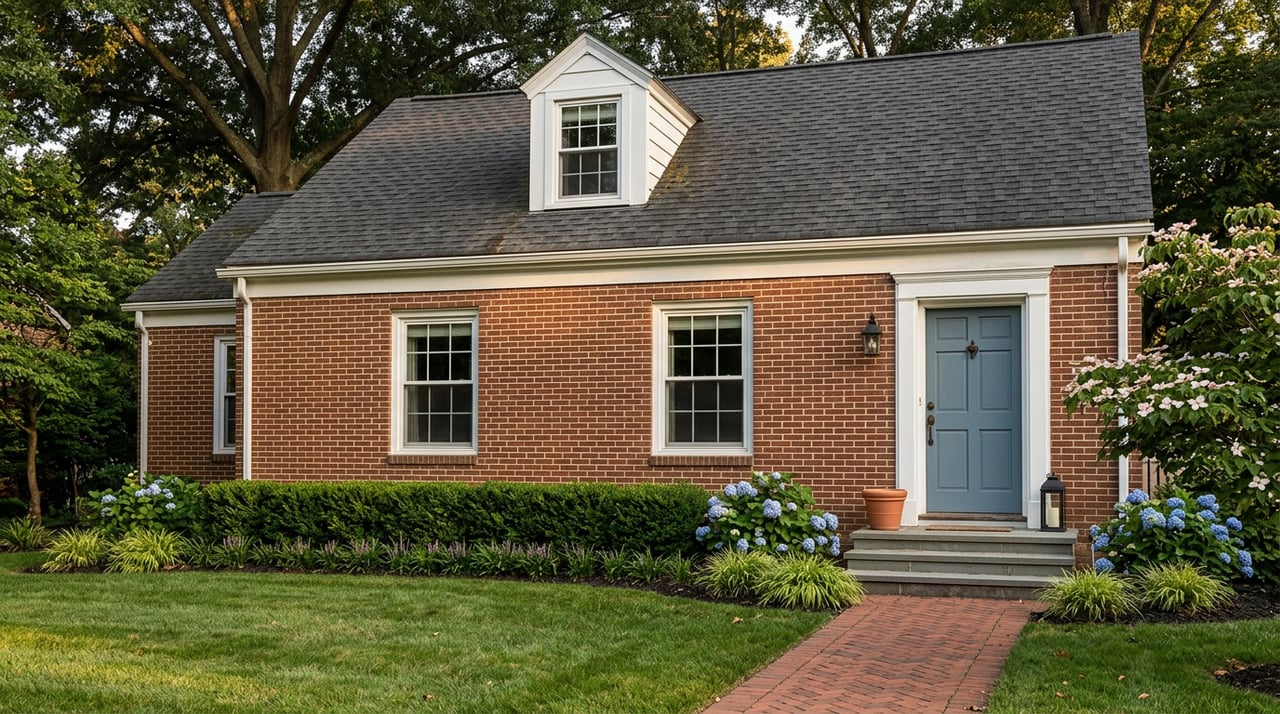
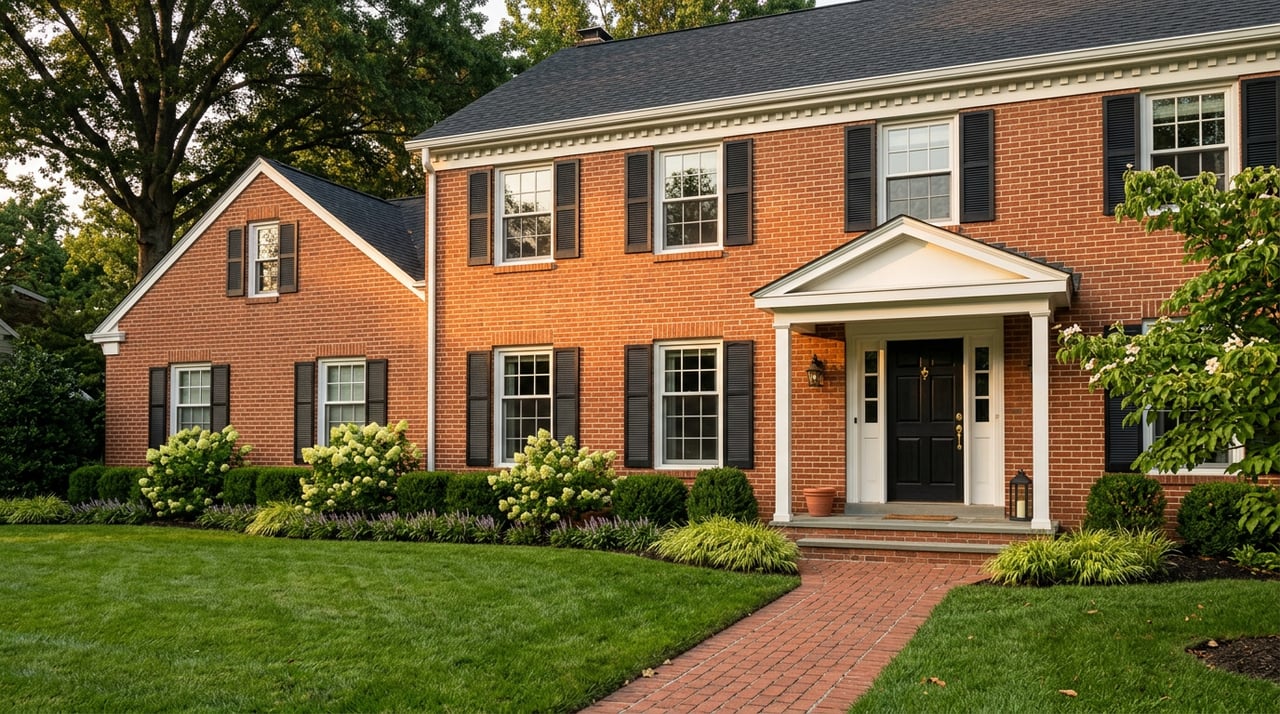
The Near West End developed more quickly from the 1930s through the 1950s, with a more consistent housing palette overall. The West End neighborhood guide describes mostly brick homes, often with slate roofs, plus pockets of post-war bungalows, ranches, and Capes.
That broader area can feel more uniform on some streets, especially where Cape Cod and Colonial Revival homes are common. At the same time, it is important to remember that the Near West End includes multiple pockets, so your experience can vary quite a bit from one section to another.
Historic pockets within the area
Some parts of the Near West End carry stronger historic protections than others. One example is West of the Boulevard, which the city recognizes as a major early 20th-century architectural district with styles that include Queen Anne, Romanesque Revival, Colonial Revival, Craftsman, Mediterranean Revival, and Tudor Revival, as noted in the same West End guide.
So if you are drawn to historic homes but also want access to a broader west-side location, the Near West End can still offer that. You just need to pay close attention to the specific pocket rather than treating the whole area as one uniform neighborhood.
Renovation and preservation differences
One of the clearest differences between these areas is how change shows up in the housing stock.
In Bellevue, the current pattern appears more preservation-focused. The Bellevue Civic Association’s zoning refresh commentary notes that accessory dwelling units are allowed on residential lots, but duplexes on lots with existing homes would be allowed only if the existing home is preserved.
That suggests a neighborhood trying to adapt without losing the homes that define its character. If preserving older housing matters to you, Bellevue may feel more predictable.
Near West End renovation trends
In the Near West End, renovation trends are more mixed. Homes.com’s local guide says many smaller homes are being expanded with additions, while the research also points to visible teardown activity in some parts of Richmond, where smaller homes are replaced by much larger new construction.
For buyers, that can create both opportunity and uncertainty. You may find updated homes, expanded layouts, or newer construction, but the surrounding housing pattern may be less consistent depending on the street and district.
Dining and daily convenience
Your daily routine may play a big role in this choice.
Bellevue’s retail and dining are concentrated in neighborhood-scale commercial corridors. The city identifies the MacArthur Node as a small commercial area embedded in Bellevue that serves the surrounding community, and the Bellevue Civic Association merchant directory lists spots such as Dot's Back Inn, Enoteca Sogno, Little House Green Grocery, Stir Crazy Café, and Buffalo Firefly.
That setup tends to support a more local, everyday rhythm. You are not looking at a major regional shopping district. Instead, you get a smaller-scale convenience pattern tied closely to the neighborhood itself.
Near West End amenities
The Near West End offers more destination-style retail and dining. Richmond’s shopping destinations guide says Carytown has more than 250 shops and 25 dining establishments in a nine-block area, while Libbie & Grove offers specialty shops, restaurants, and sidewalk cafes.
If you want more variety close at hand, the Near West End has the edge. It tends to offer a broader amenity mix and a more regional draw.
Parks and outdoor access
Both areas offer strong access to green space, but the experience is different.
Bellevue benefits from close access to Joseph Bryan Park. The Bellevue neighborhood page says the neighborhood is adjacent to the city’s 262-acre Bryan Park and about 10 minutes from the James River Park System.
That gives Bellevue a strong outdoor advantage for a Northside neighborhood. It combines neighborhood living with quick access to major park space and trail options.
Near West End green space
The Near West End also performs well for outdoor access. According to the city’s shopping destinations guide, the area includes Byrd Park, a 287-acre city park, as well as Maymont, a 100-acre Victorian estate, and access to the James River Park System.
If park variety is high on your list, the Near West End gives you more destination-scale options. Bellevue still offers excellent access, but the Near West End may feel broader in terms of outdoor choices.
Commute and connectivity
Commute patterns can help break a tie.
Bellevue is described by the civic association as about 10 minutes north of downtown Richmond via city streets and highways on the Bellevue neighborhood page. For many downtown-bound buyers, that points to a short and straightforward drive.
The Near West End is convenient to the Downtown Expressway, Powhite Parkway, and Interstate 64, according to the West End guide. In practical terms, that means strong connections to west- and southbound routes as well as the city core.
Market signals and price context
Market data can help you set expectations, but this is one area where geography matters a lot.
Bellevue’s Redfin market snapshot shows a median sale price of $567,500 in February 2026, with homes selling in about 9.5 days and a Redfin Compete Score of 97. Those numbers suggest a fast-moving, highly competitive neighborhood.
For the broader Near West area, Realtor.com’s October 2025 summary reports a median home price of $599,925 and about 32 days on market. That same page also shows variation across subareas, with The Fan and Museum District around $688,000, Byrd Park around $612,000, and Carver around $340,000.
How to read the data
These figures are best used as directional benchmarks, not perfect apples-to-apples comparisons. Bellevue is one compact neighborhood, while the Near West End is a broader area that includes several distinct pockets.
If you want a tighter read on value, you need to compare Bellevue to a specific Near West pocket rather than the whole area. That kind of neighborhood-level analysis can save you time and help you focus on homes that truly match your goals.
Which area may fit you better?
Bellevue may be a better fit if you want:
- A clearly bounded neighborhood identity
- A strong 1920s to 1940s housing fabric
- Local-scale dining and retail corridors
- A preservation-leaning change pattern
- Quick access to downtown from Northside
The Near West End may be a better fit if you want:
- A broader mix of neighborhoods and housing types
- More destination retail and dining options
- Greater variation in renovation styles and home updates
- Strong access to major west- and southbound road connections
- Multiple large park and amenity destinations nearby
Final thoughts on Bellevue vs. the Near West End
There is no one-size-fits-all winner here. Bellevue offers a more cohesive, preservation-minded neighborhood experience with local commercial streets and strong Northside identity. The Near West End offers more variety, more destination amenities, and more range in housing and renovation patterns.
If you are weighing both areas, the smartest next step is to compare specific blocks, home styles, and budget ranges instead of relying on broad labels alone. If you want help narrowing down the right fit for your goals, connect with Adam Tuck for practical guidance rooted in Richmond neighborhood knowledge.
FAQs
What is the main difference between Bellevue and the Near West End in Richmond?
- Bellevue is a compact, clearly defined neighborhood, while the Near West End is a broader area made up of several pockets with more variation in housing, amenities, and pricing.
Which Richmond area feels more historic and cohesive, Bellevue or the Near West End?
- Bellevue generally feels more cohesive because of its compact streetcar-suburb layout and mix of early 20th-century homes, while the Near West End varies more by pocket.
Which area has more shopping and dining, Bellevue or the Near West End?
- The Near West End has more destination-scale shopping and dining, especially around Carytown and Libbie & Grove, while Bellevue offers smaller neighborhood-oriented business corridors.
Is Bellevue or the Near West End better for buyers interested in renovation potential?
- Bellevue appears more preservation-focused, while the Near West End shows a broader range of additions, updates, and some teardown-rebuild activity depending on the location.
How do Bellevue and the Near West End compare on home prices?
- Recent snapshots place both in the upper-hundreds-thousands range, but Bellevue is one neighborhood and the Near West End is a broader area, so prices should be treated as directional rather than directly comparable.
Which Richmond area may work better for a downtown commute?
- Bellevue may appeal more if you want a short north-side route into downtown, while the Near West End may work well if you want strong access to the Downtown Expressway, Powhite Parkway, and Interstate 64.